Media.



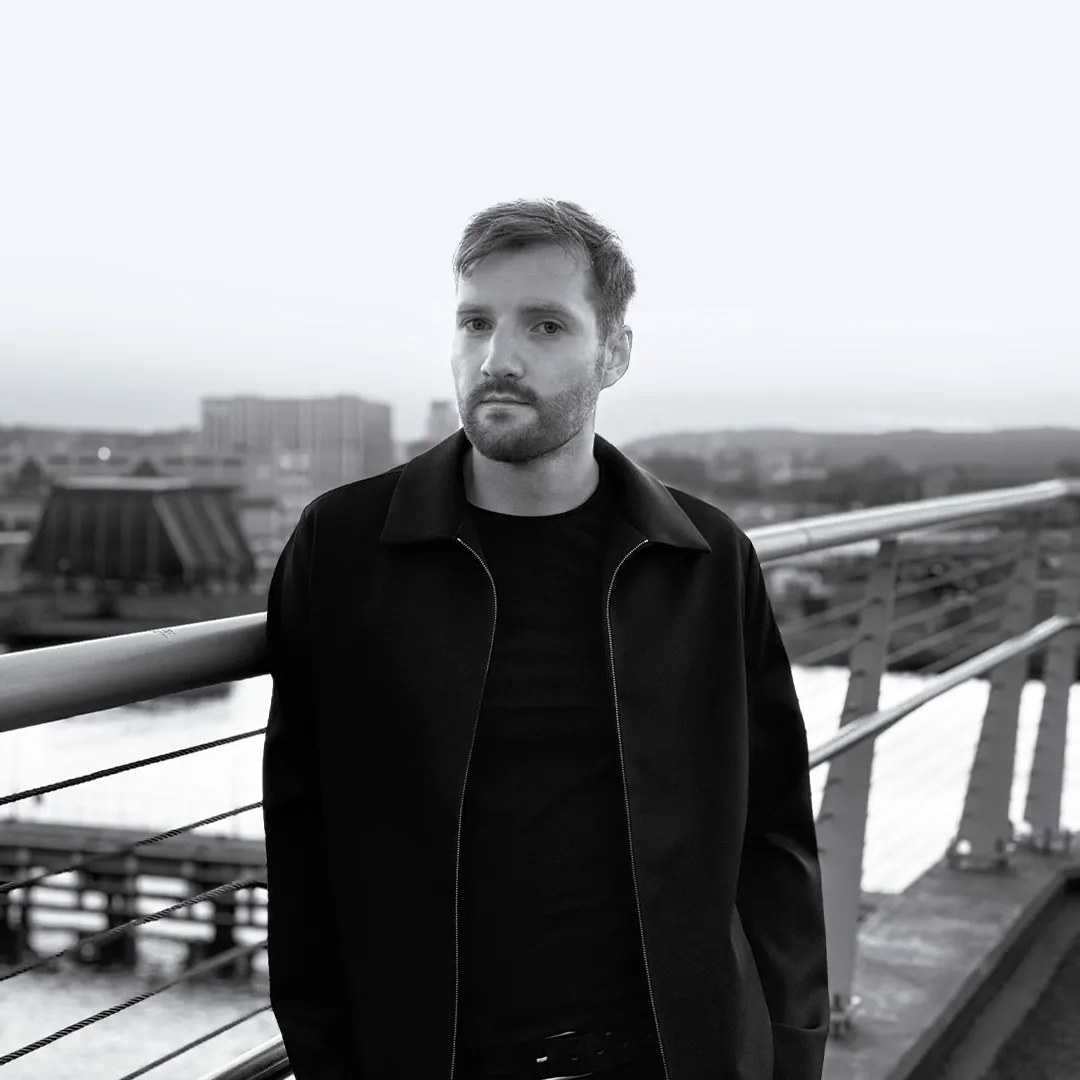
Focused on designing real-world transport and industrial products, combining design, engineering thinking, and visualization into cohesive, production-ready solutions. The work connects concept development, technical understanding, and visual communication into a consistent process — from early exploration to final implementation, with a strong emphasis on feasibility, clarity, and long-term value.
Experience includes leading complex design projects where alignment between design intent, engineering constraints, and production requirements is essential. This approach enables the creation of products that are visually compelling, functional, and ready for real-world use. Visualization and storytelling play a key role — using high-end 3D visuals, animation, and immersive tools to support decision-making and communicate products clearly.
The goal is to create design that goes beyond aesthetics — shaping products that work as complete systems and bring lasting value through thoughtful, well-integrated solutions.
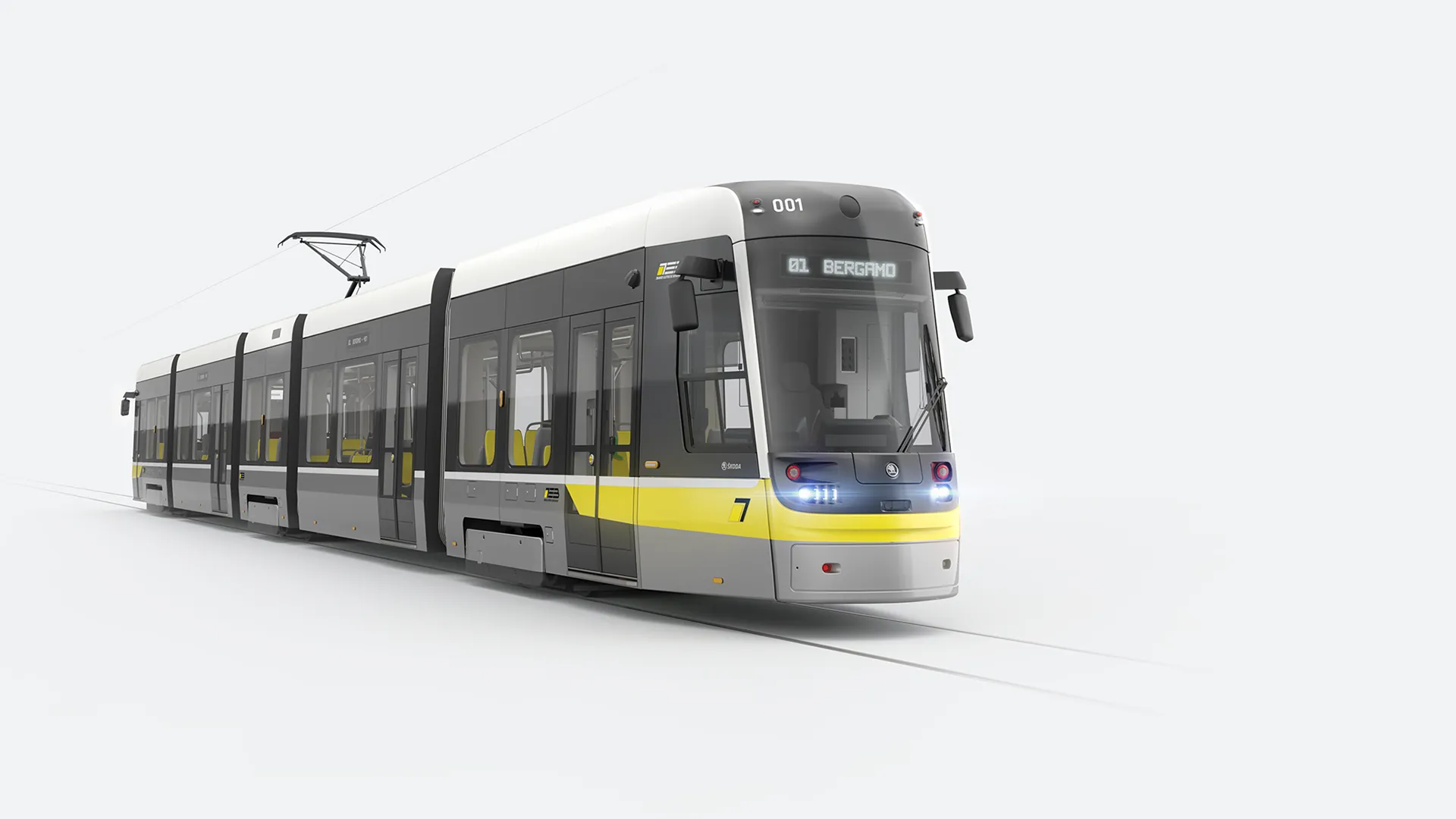
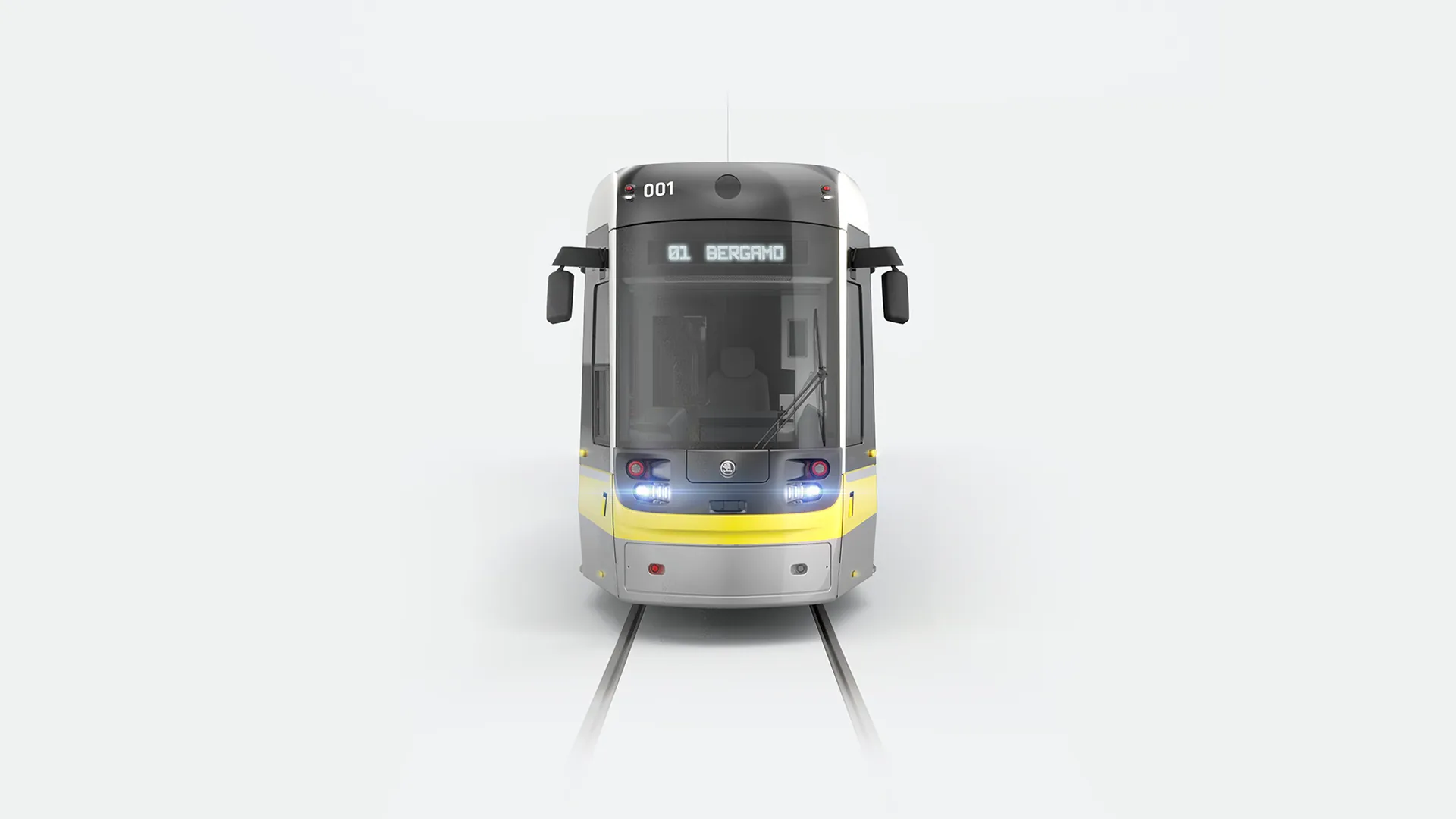
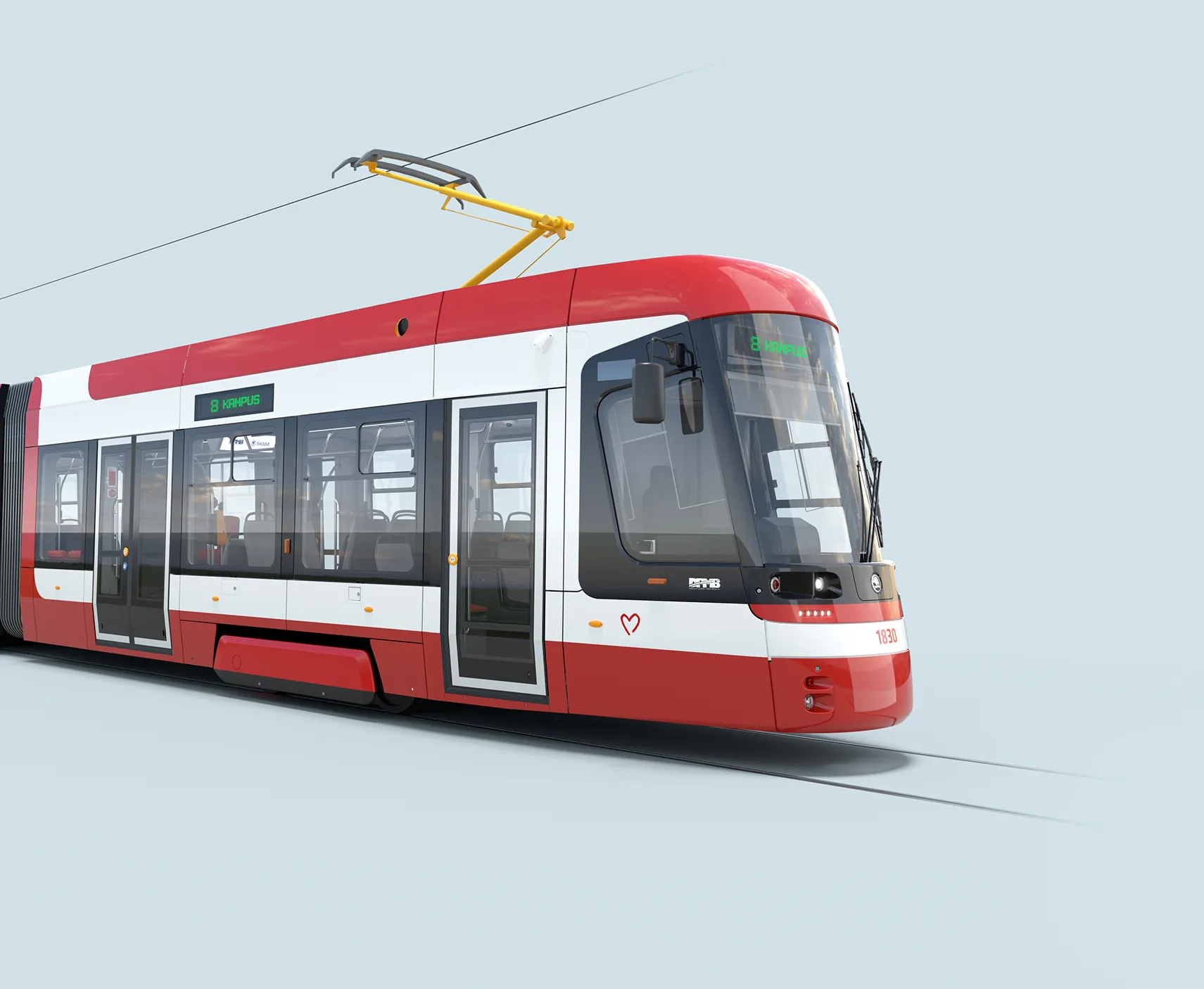
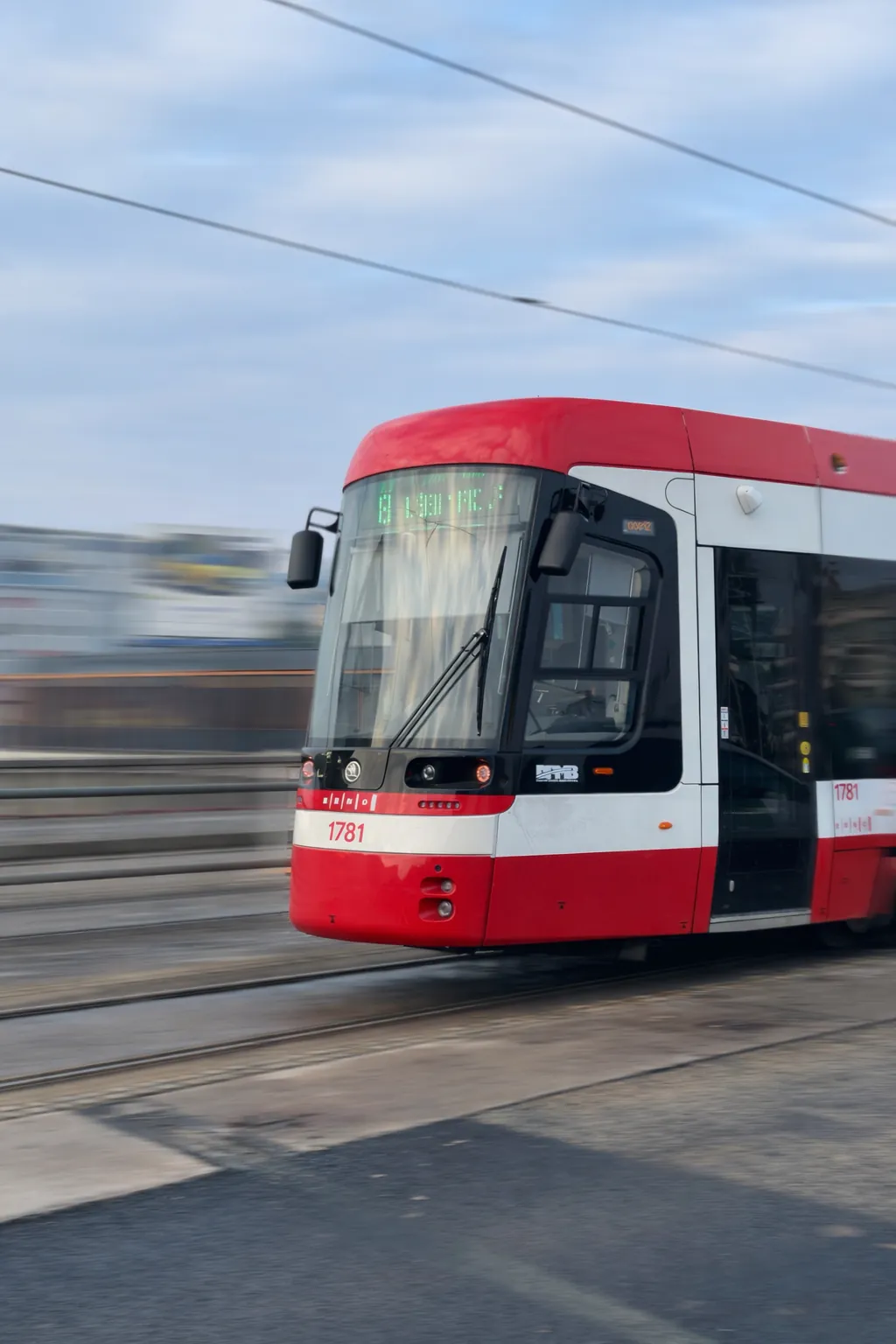
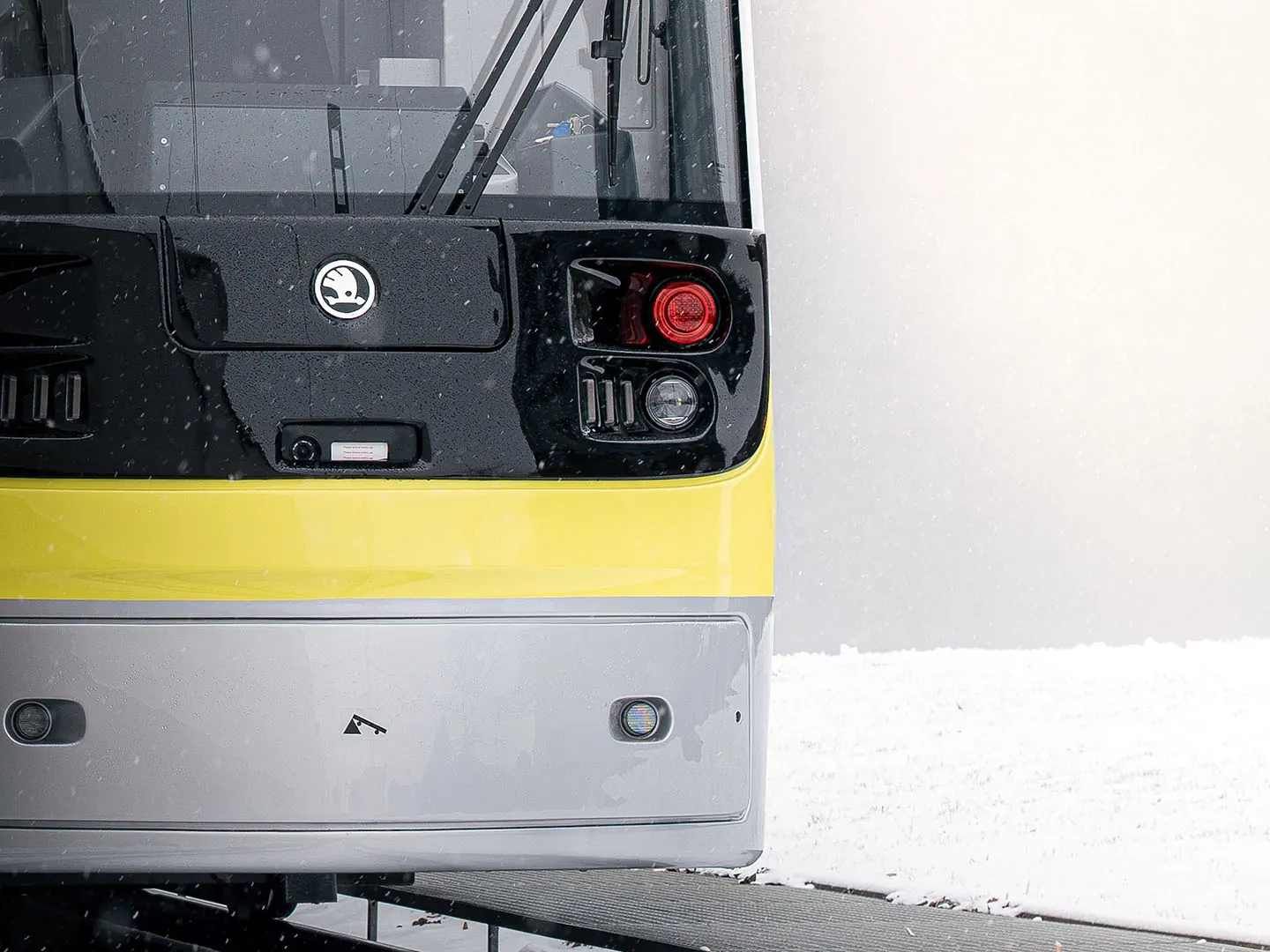
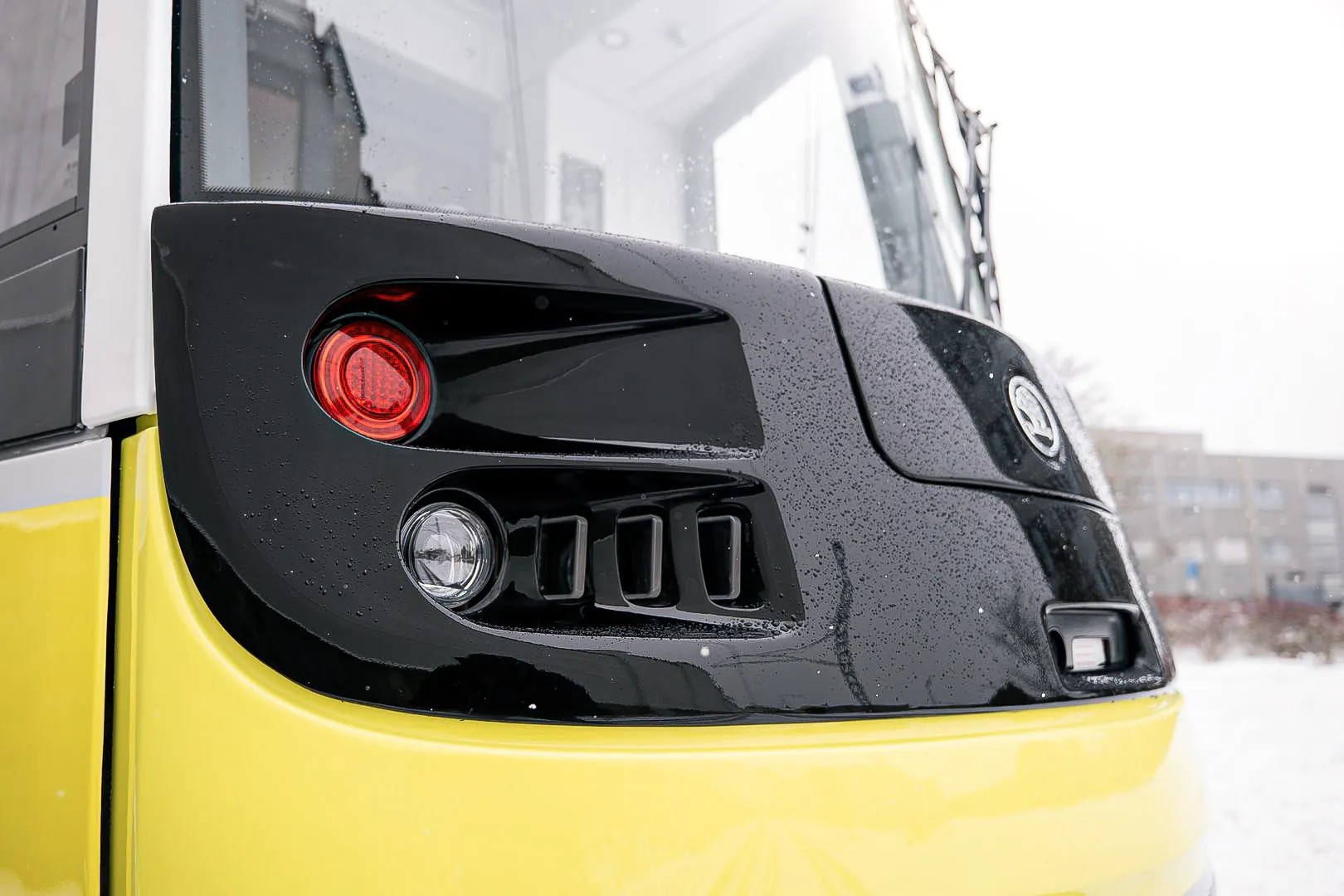
The exterior design is defined by clarity, balanced proportions, and a calm visual expression that allows the vehicle to integrate naturally into Bergamo’s historic environment. The front design subtly incorporates safety and technical elements, maintaining a clean and approachable character while establishing a confident presence. The overall design reflects the complexity of a long multi-section vehicle, ensuring visual consistency across its entire length.
A key aspect of the design is the integration of modern technologies, including passenger information systems, air conditioning, and advanced safety features such as an anti-collision system. These elements are incorporated in a way that supports functionality without compromising the visual clarity of the design.
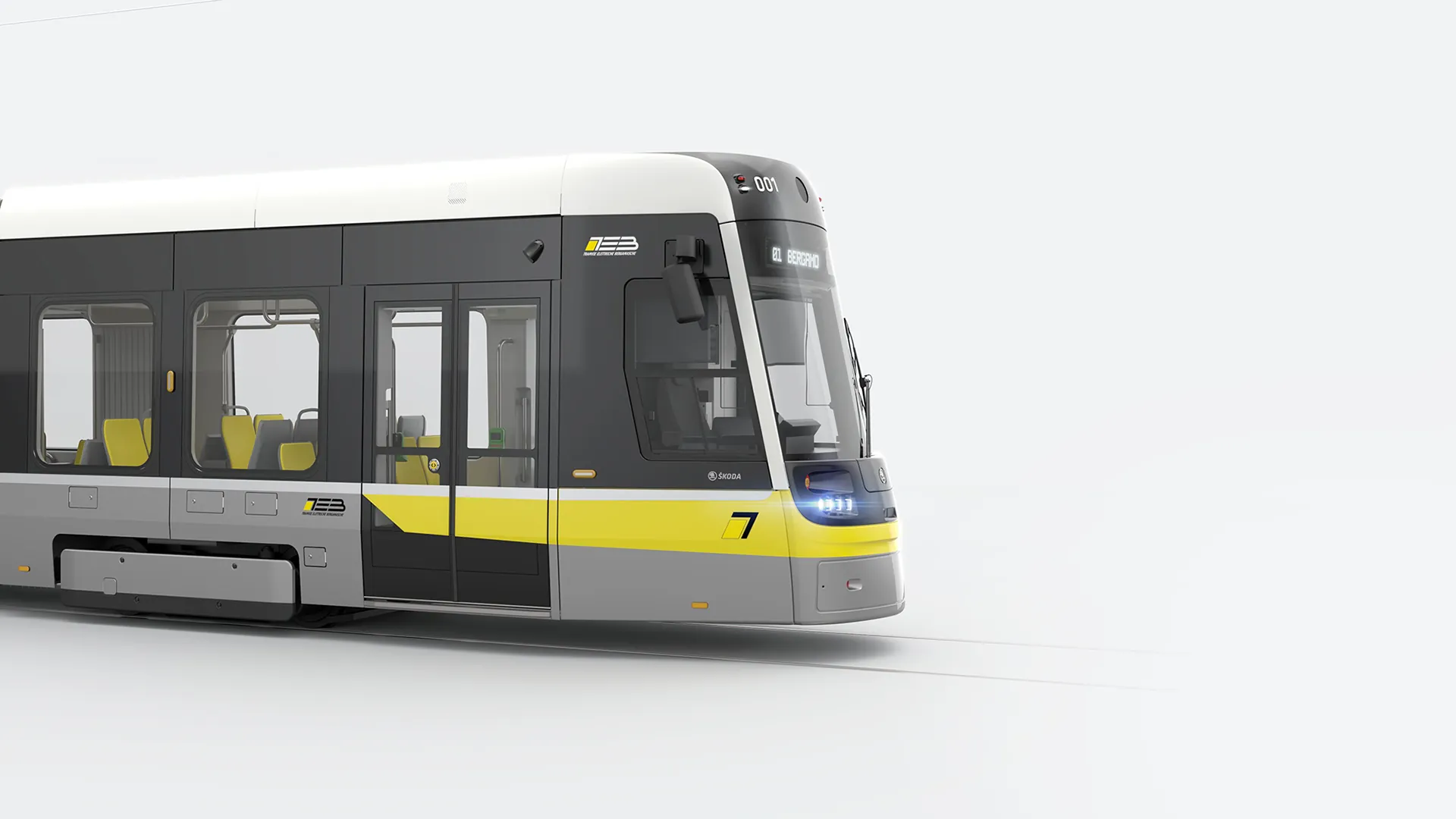
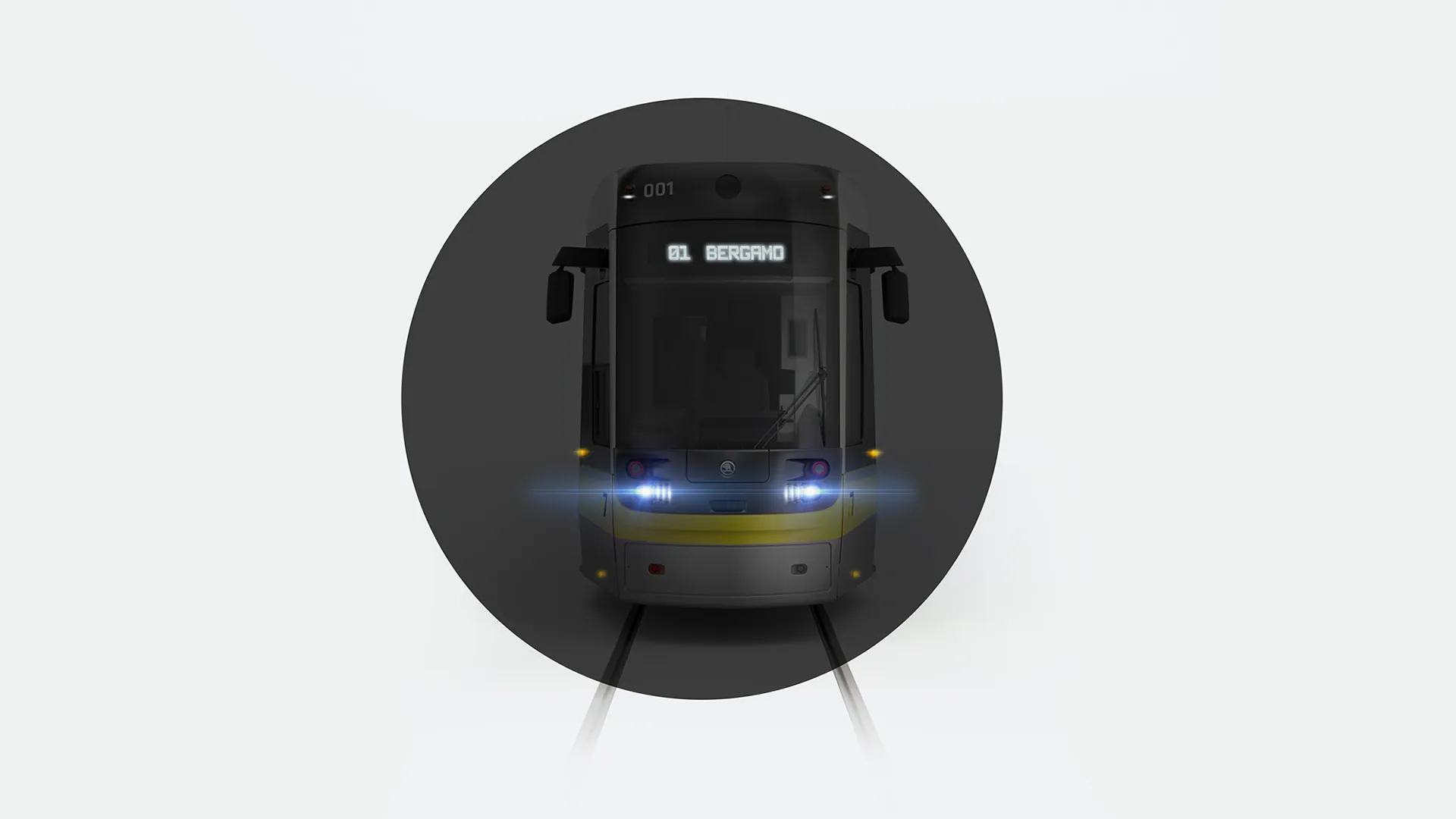
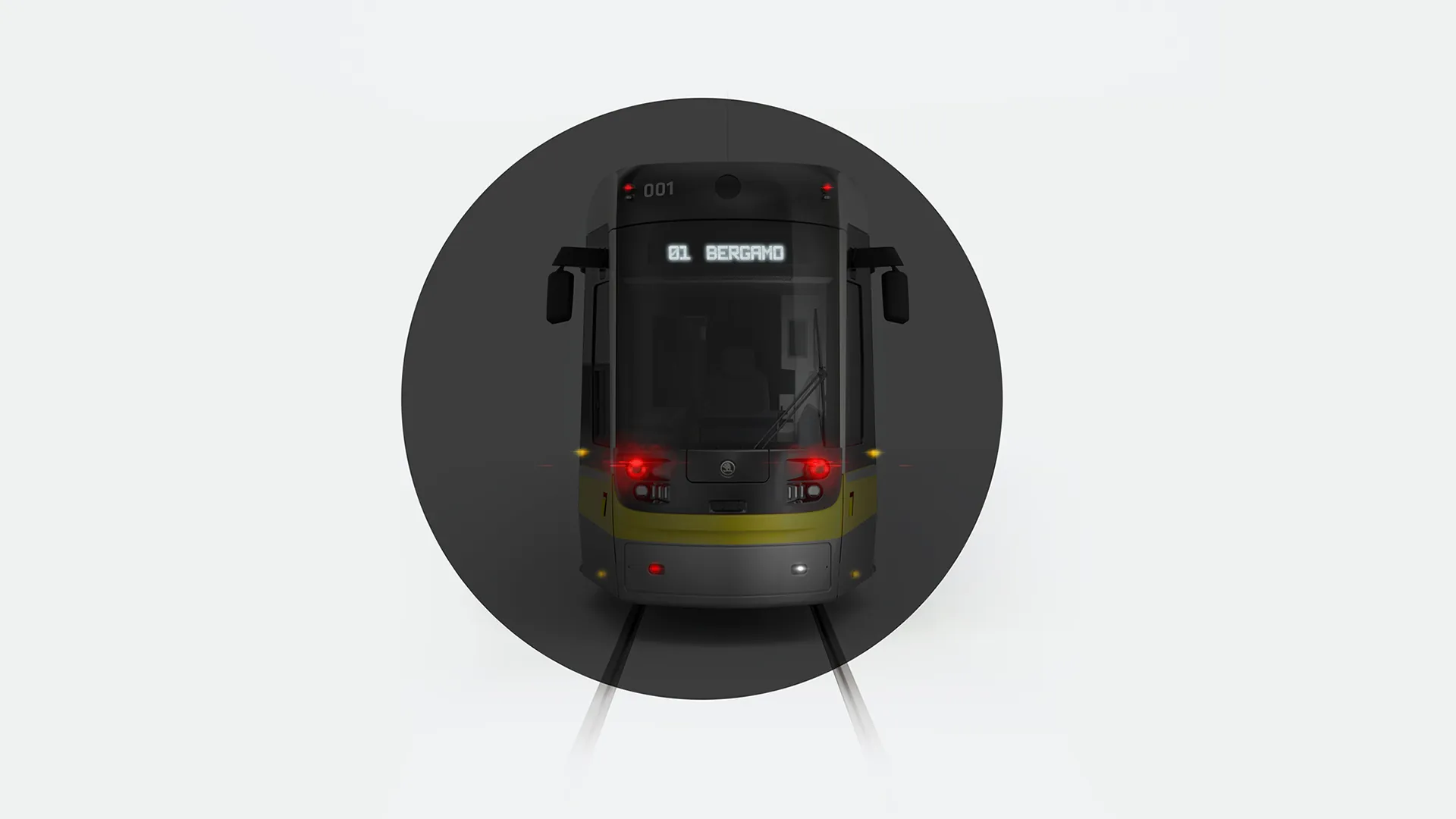
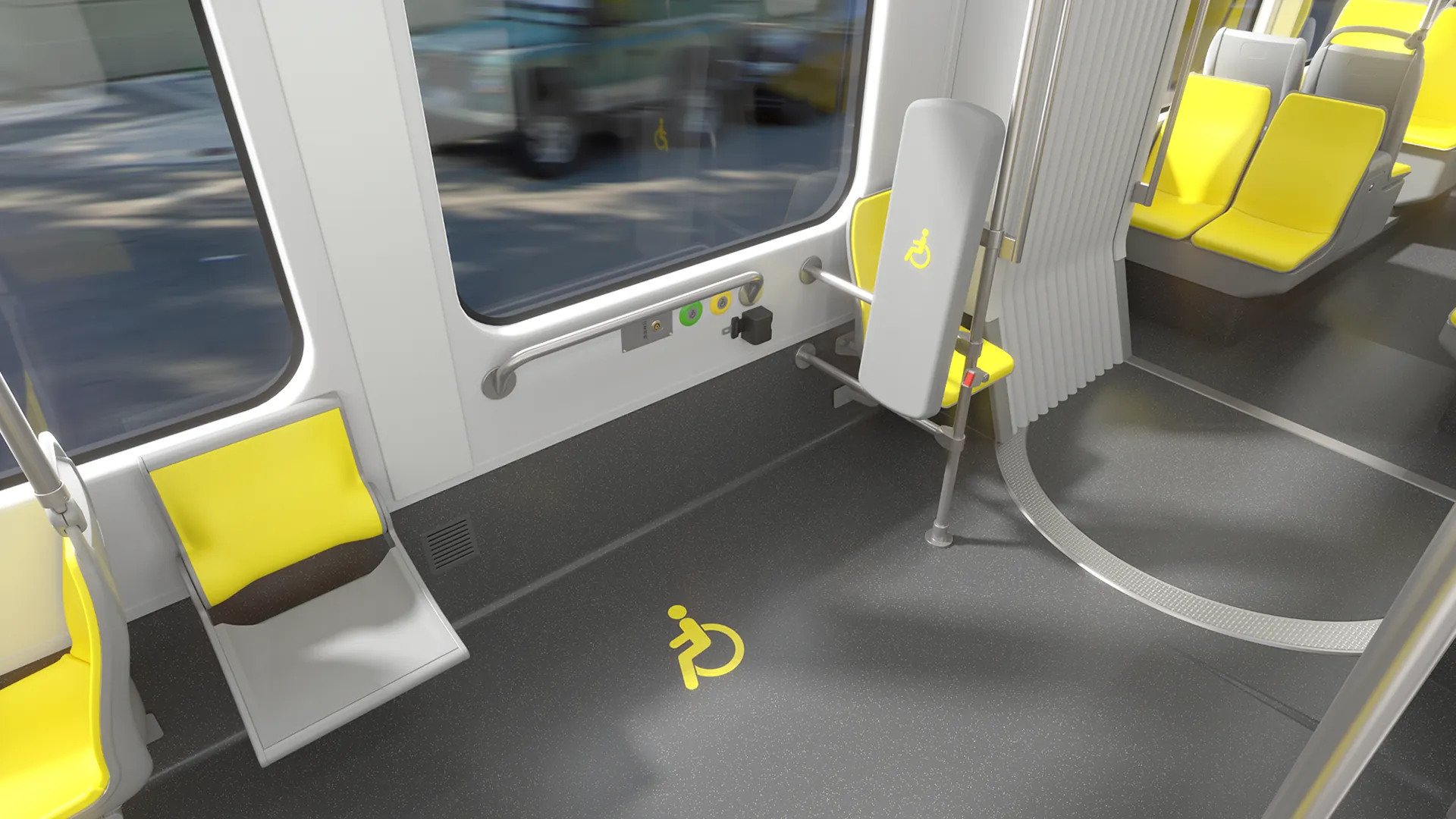
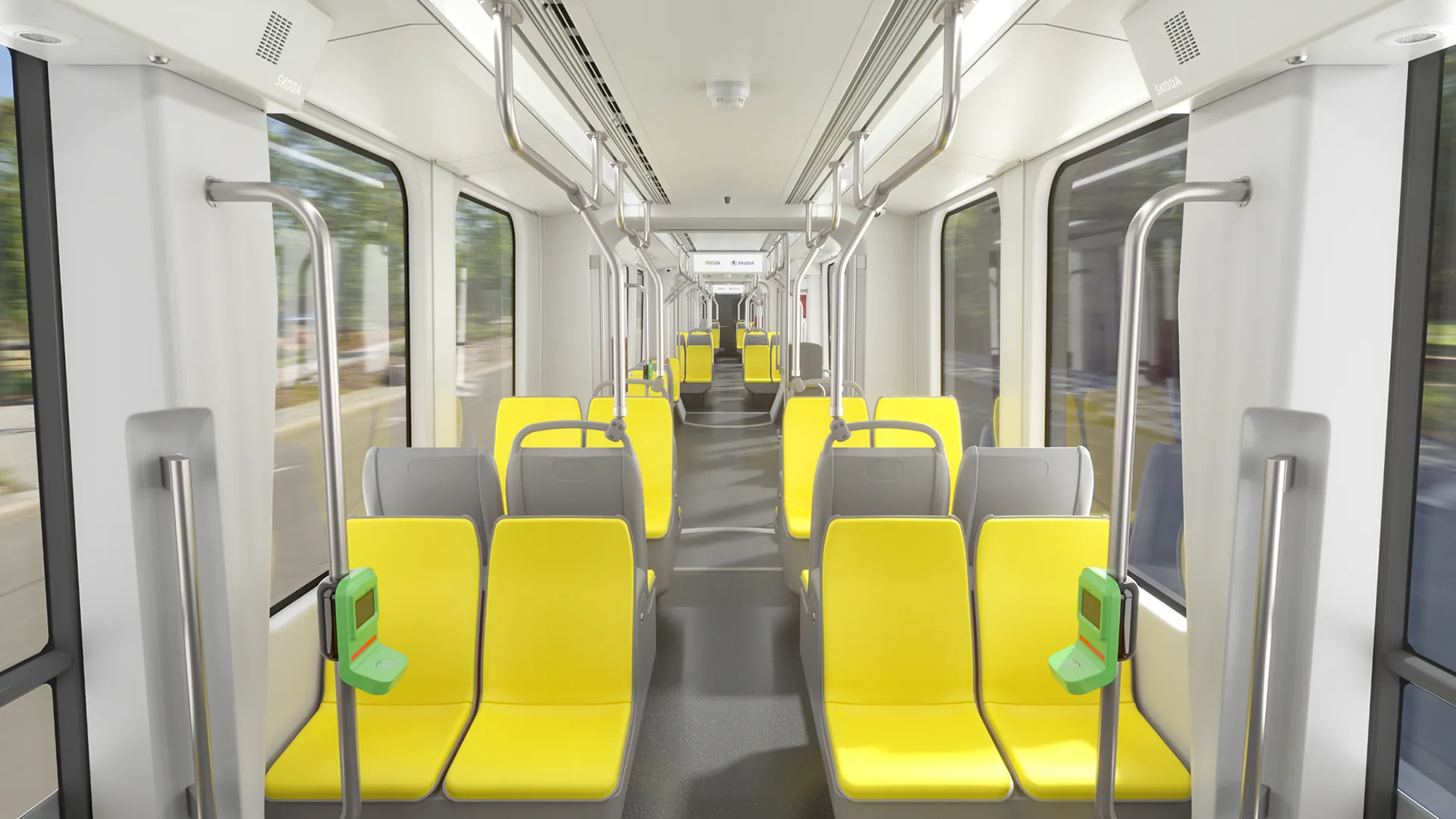
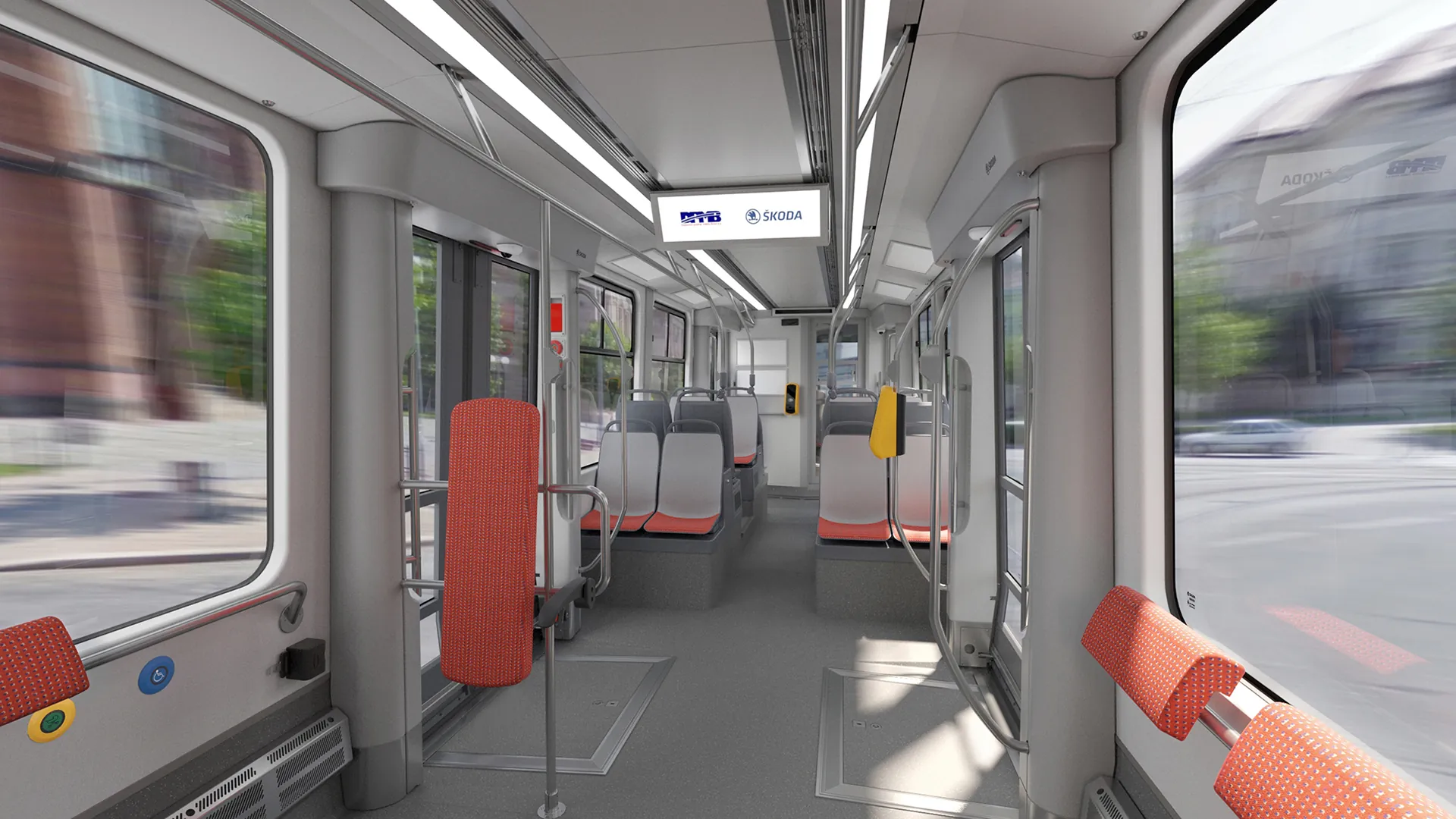
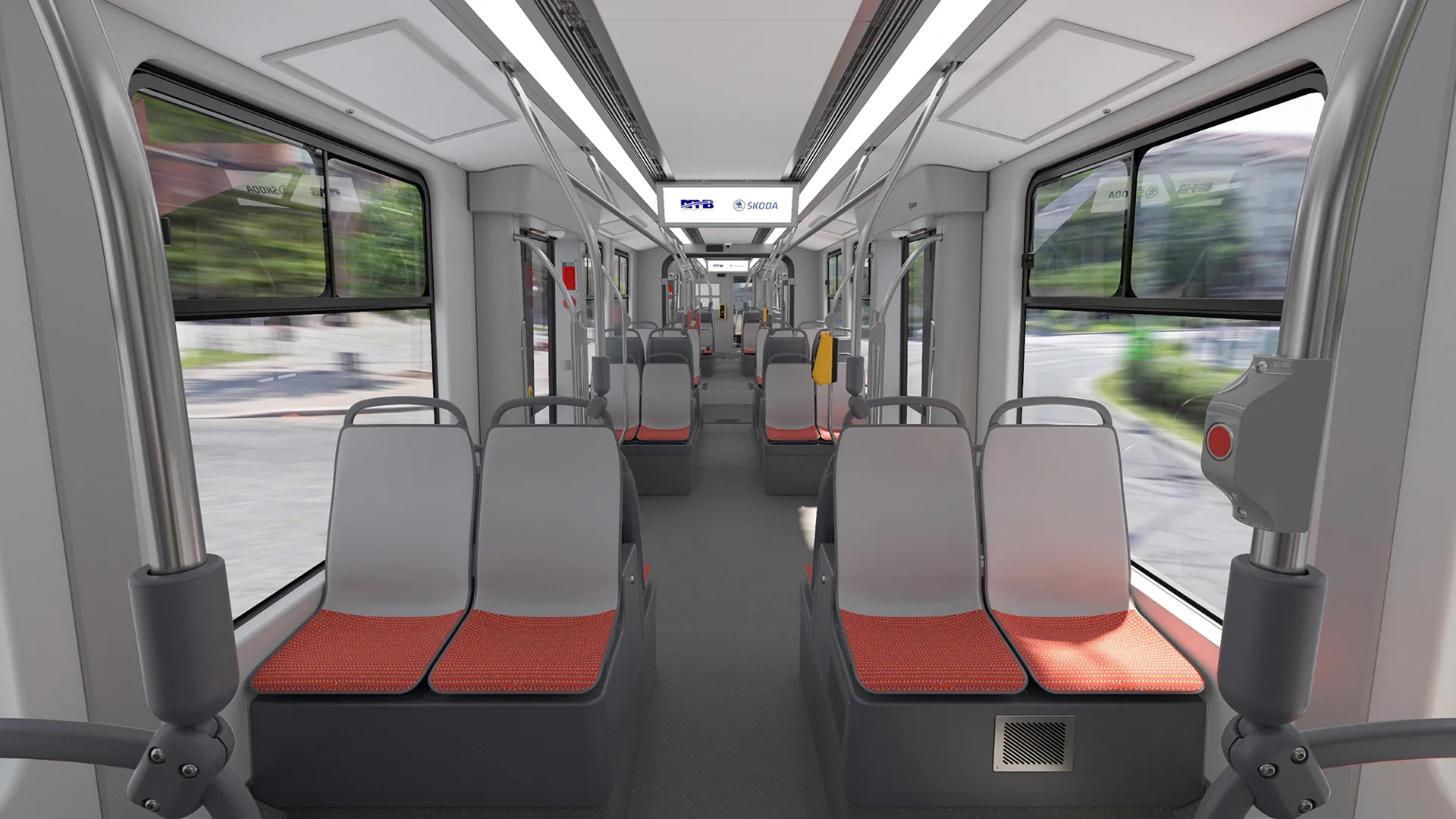
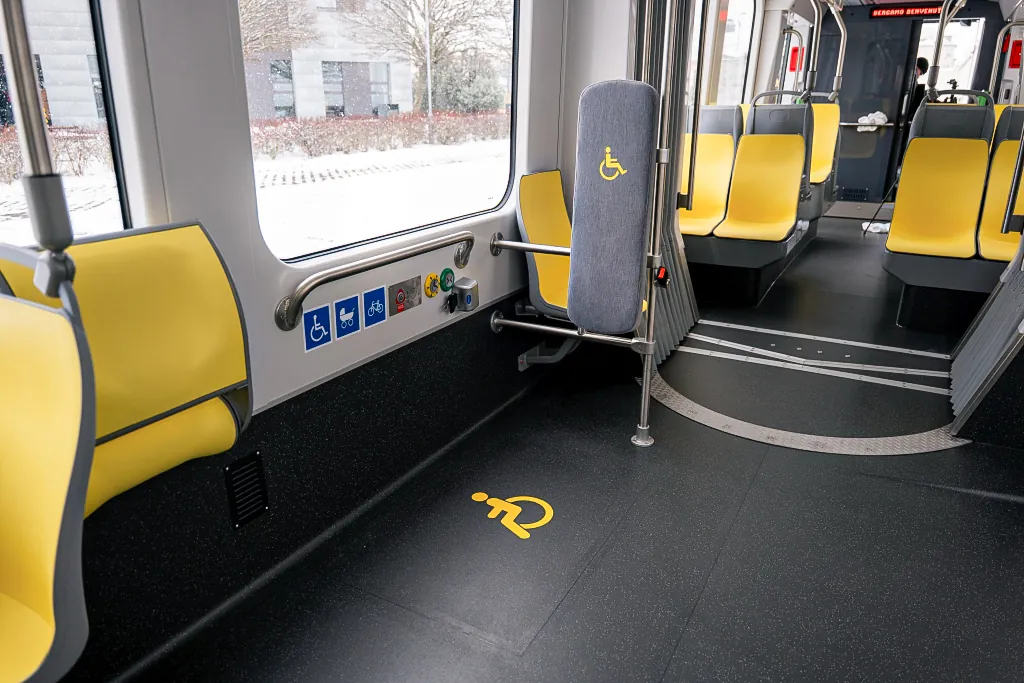
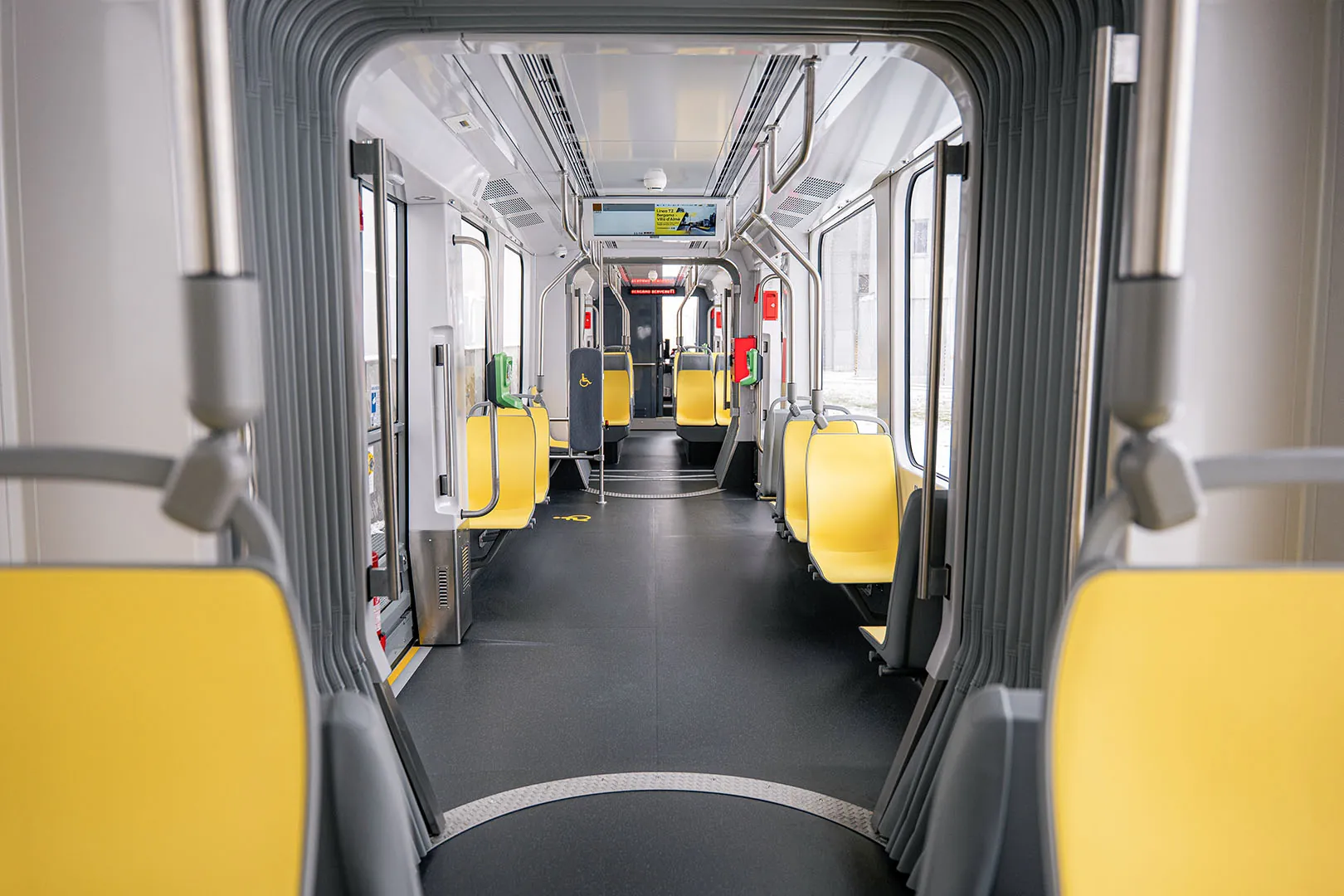
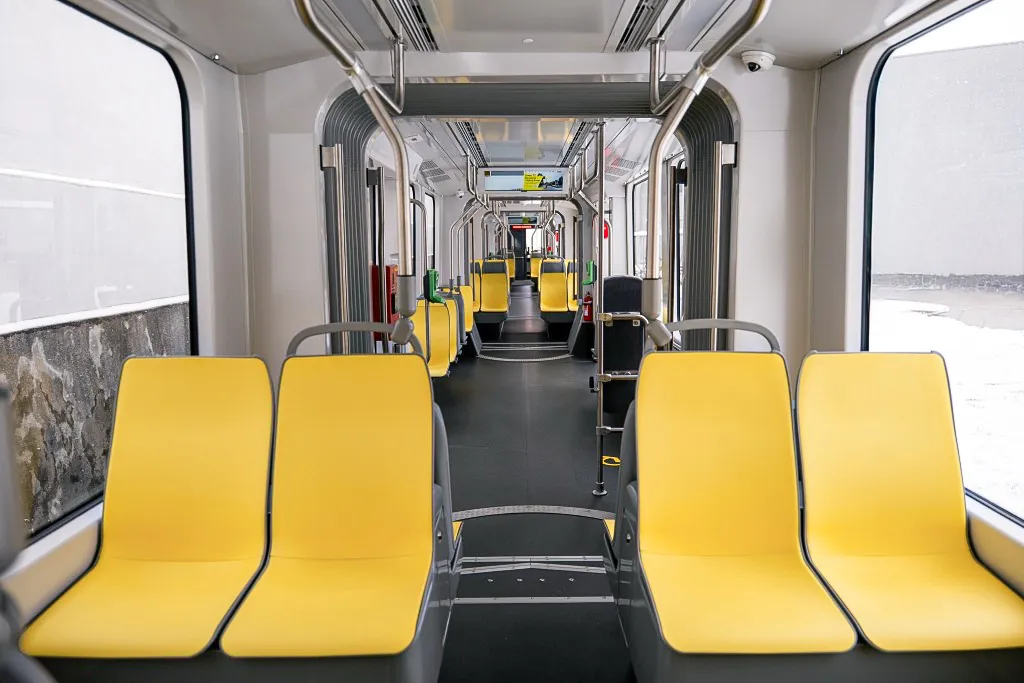
The interior is conceived as a fully low-floor, open, and intuitively readable space, supporting smooth passenger flow and maximum accessibility. The layout responds to a wide range of user needs, including passengers with reduced mobility. Materials, colors, and lighting create a clear and comfortable environment suitable for everyday operation.
From a technical perspective, the vehicle is designed as a bi-directional, multi-section unit with bogie configuration optimized for efficient operation in an urban environment. The fully low-floor solution ensures barrier-free boarding and contributes to overall usability.
The result is a contemporary tram that combines modern transport technology with a design approach that respects the historical context of the city — creating a high-quality and sustainable solution for urban mobility.
The virtual mockup created for the tram in the city of Bergamo offers a unique experience that combines visual presentation with practical design validation. Within the simulation, the driver can test the reachability of control elements, visibility from the cabin, and the functionality of rearview mirrors. Passengers can freely explore the interior, check the accessibility of the restraint system, and experience the design and views from inside the tram. The experience includes interactive features such as opening doors, teleporting to different positions, and returning to the driver’s seat. The exterior design of the tram can also be viewed while the vehicle is stationed at a stop.
This VR mockup serves not only as an impressive presentation tool for clients, drivers, and the general public, but also as a functional prototype for verifying ergonomic and design accuracy. The mockup was developed in Unreal Engine 5.
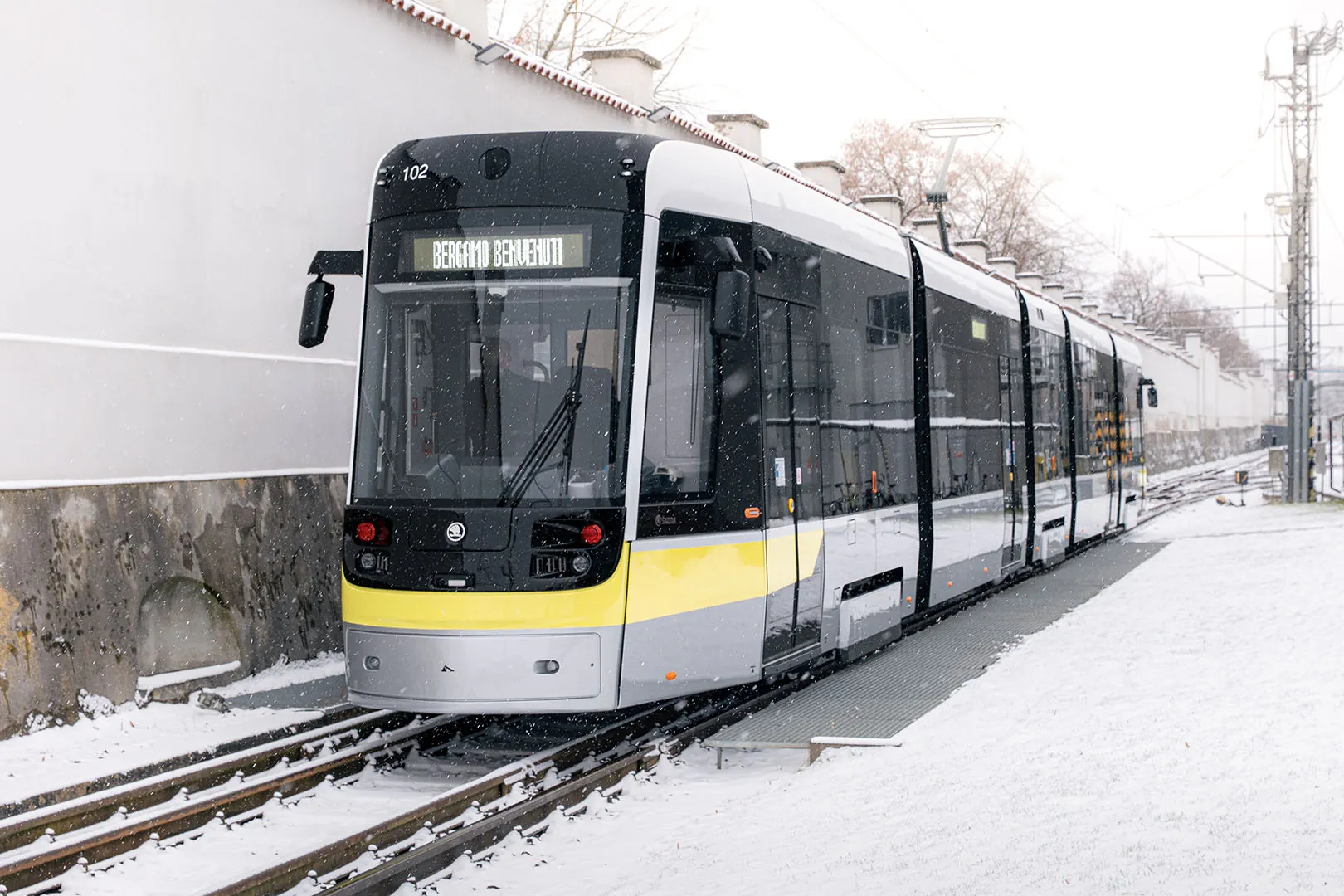
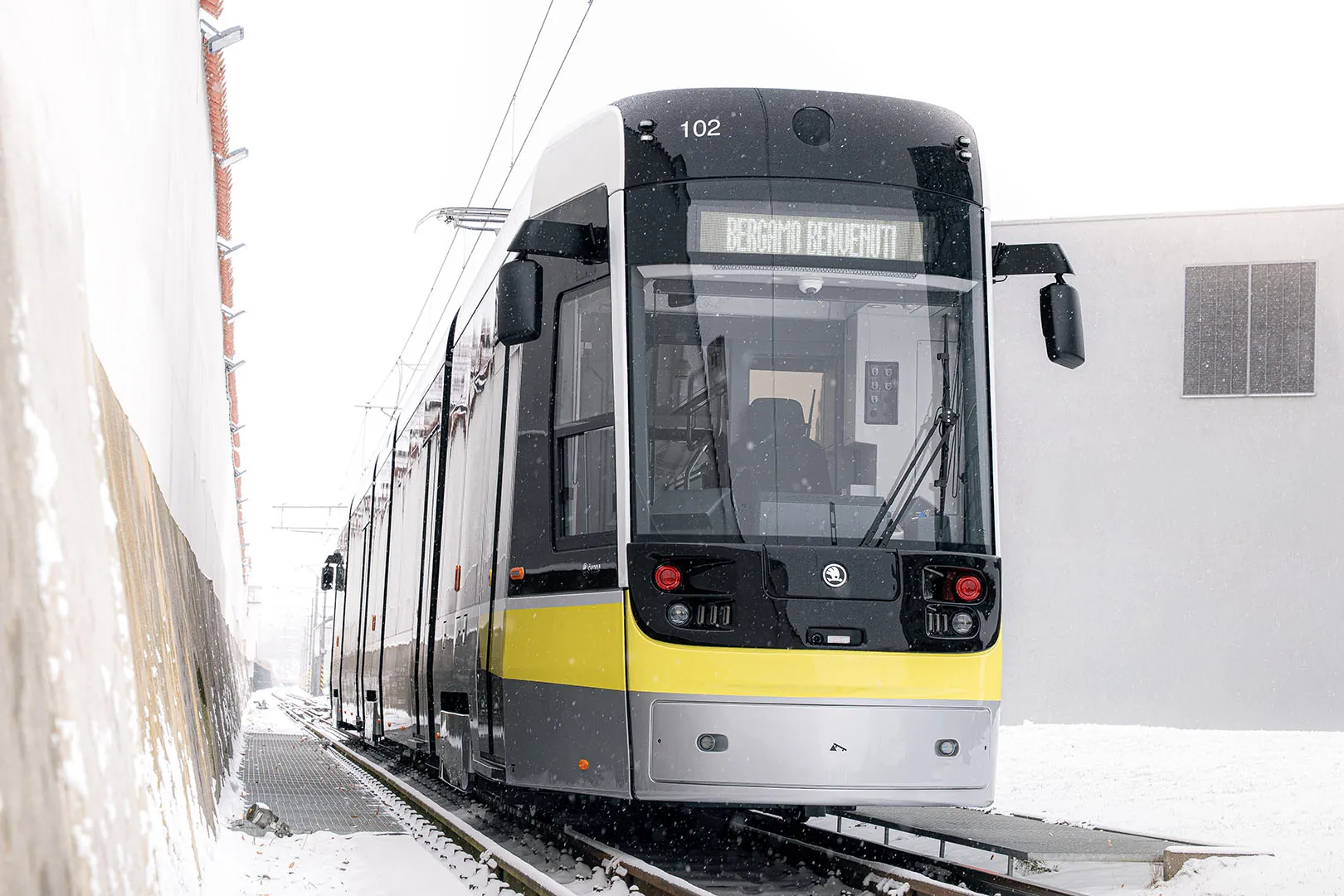
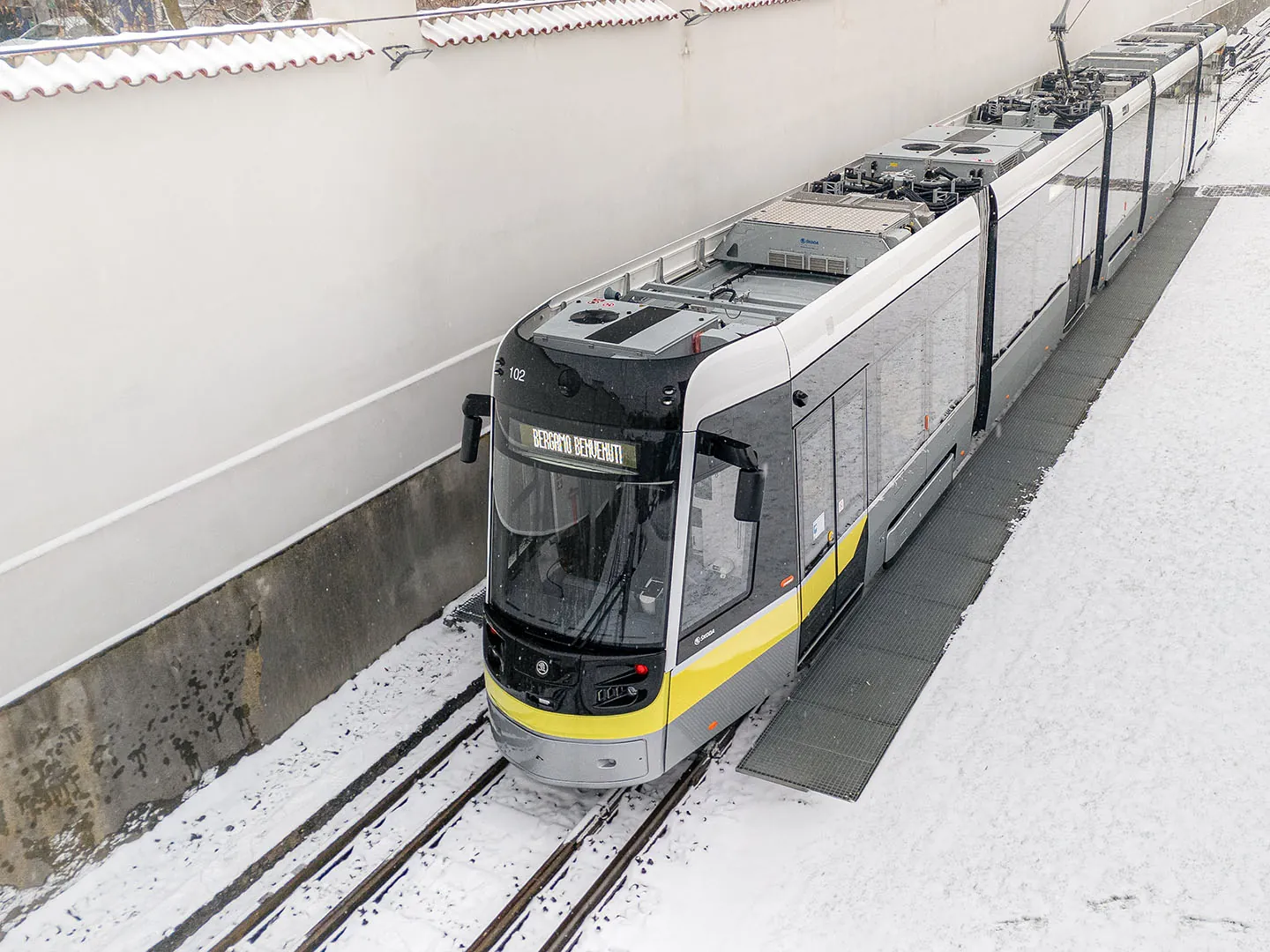
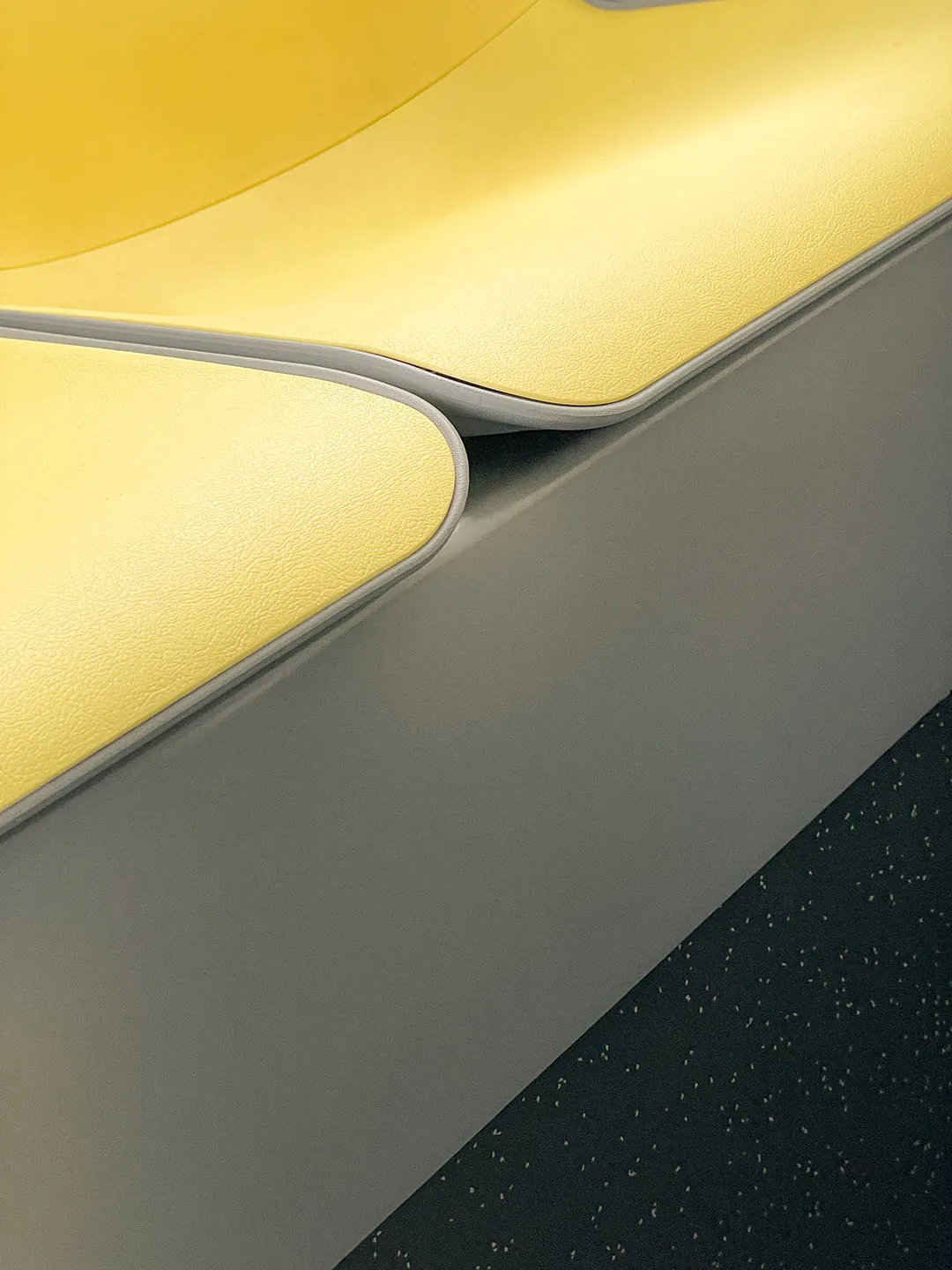
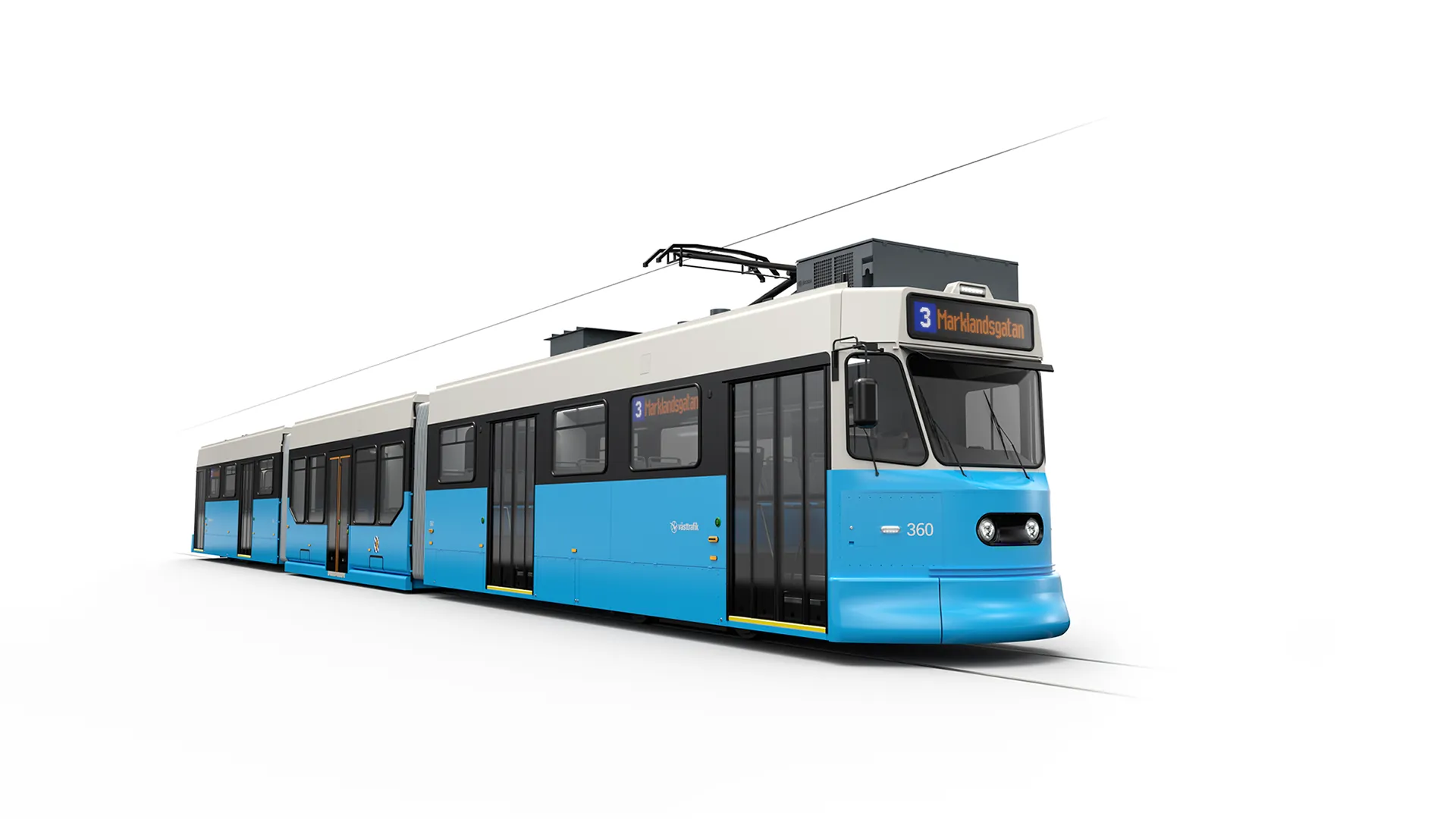
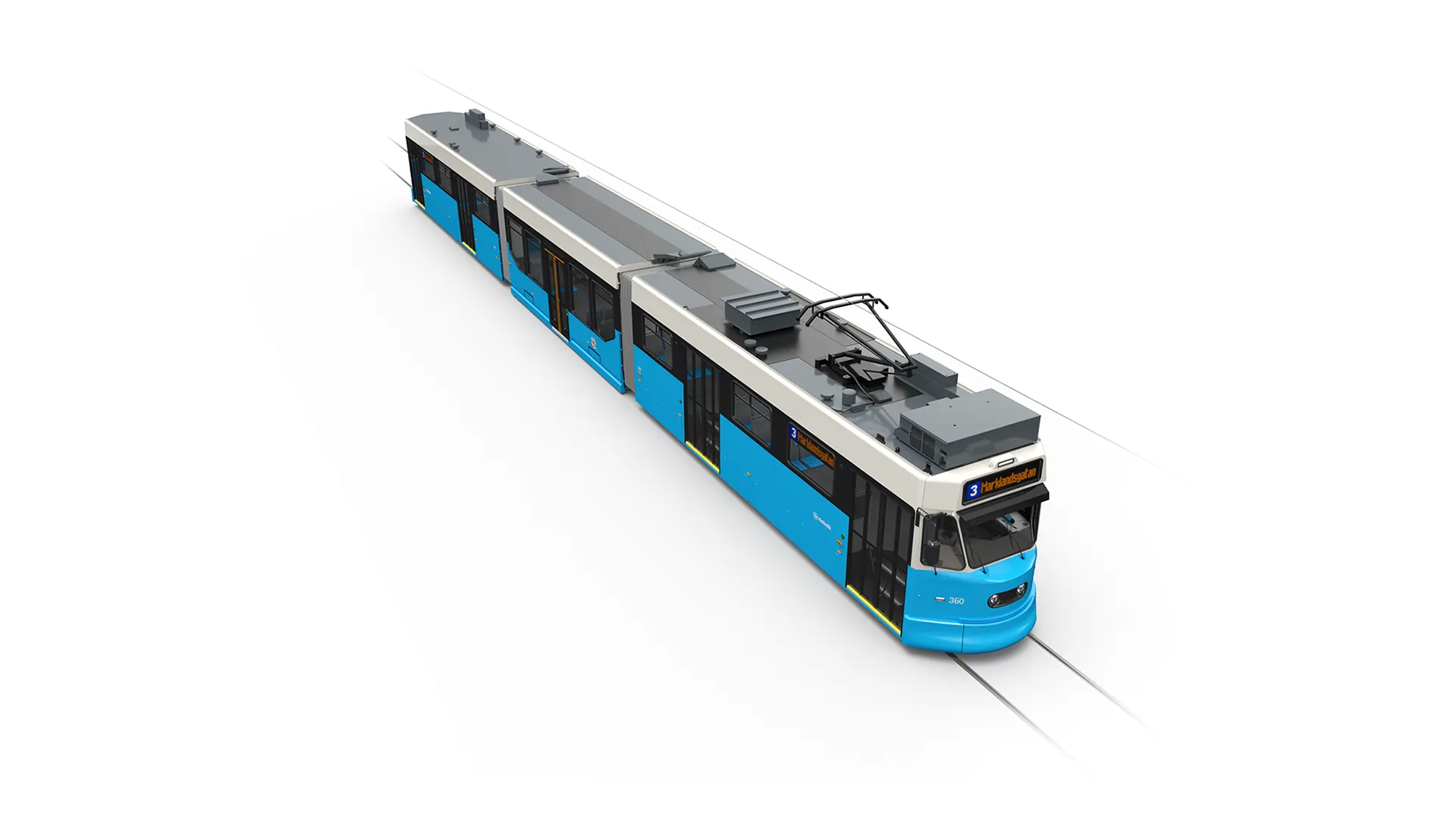
The foundation of the design process was precise 3D data derived from detailed scans of the original vehicles. This enabled an accurate understanding of the existing construction and ensured that all design interventions were grounded in real-world conditions.
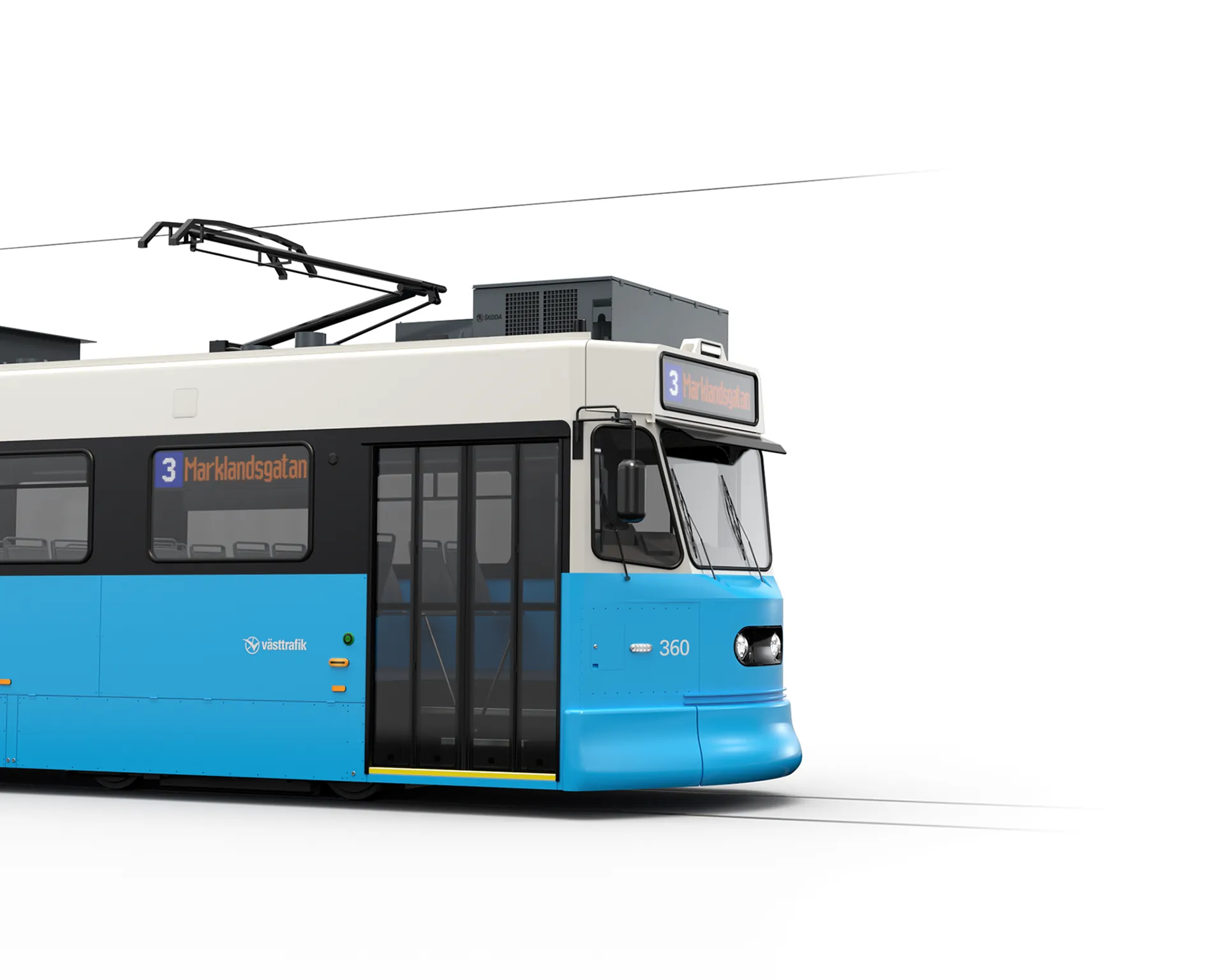
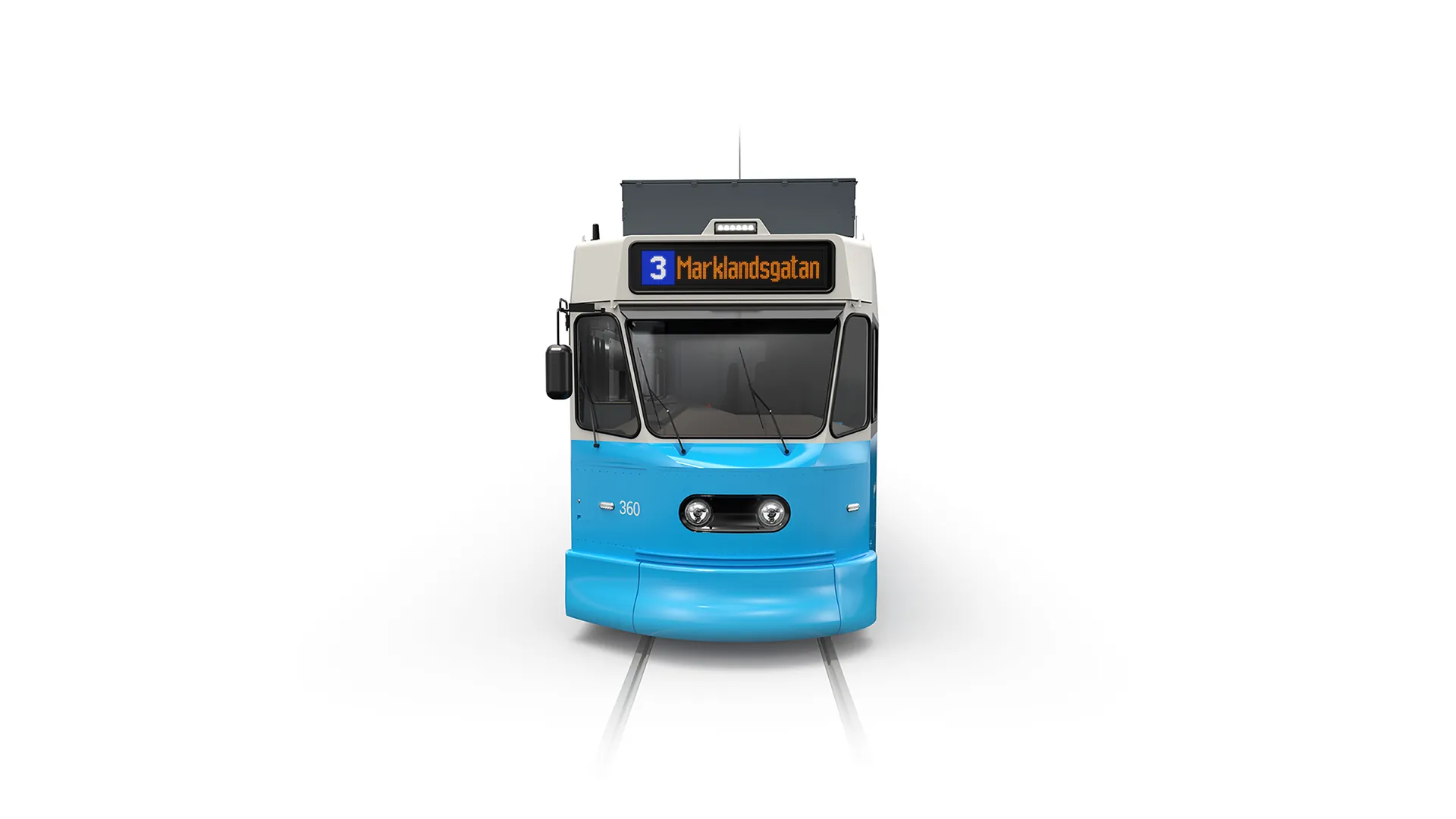
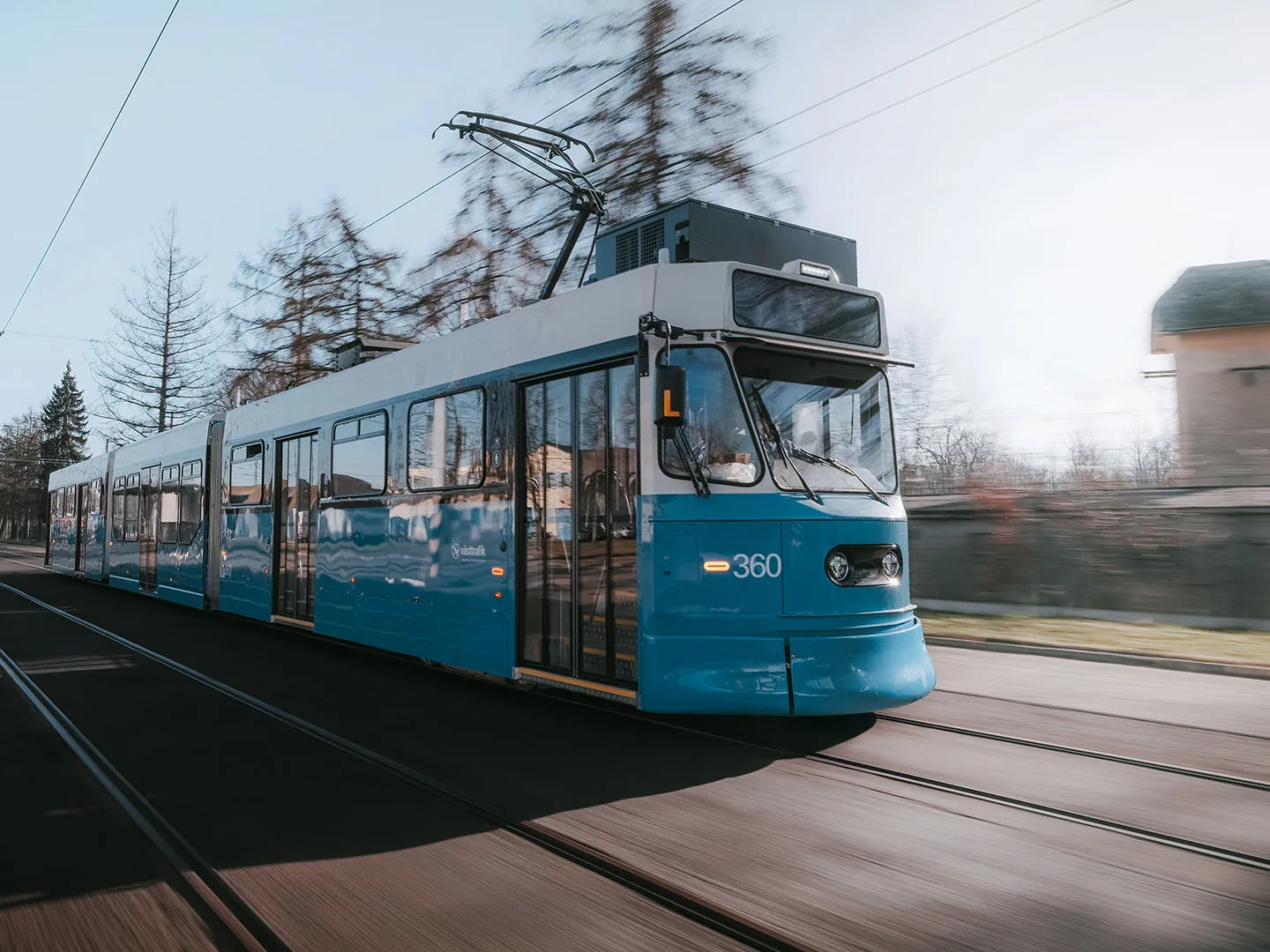
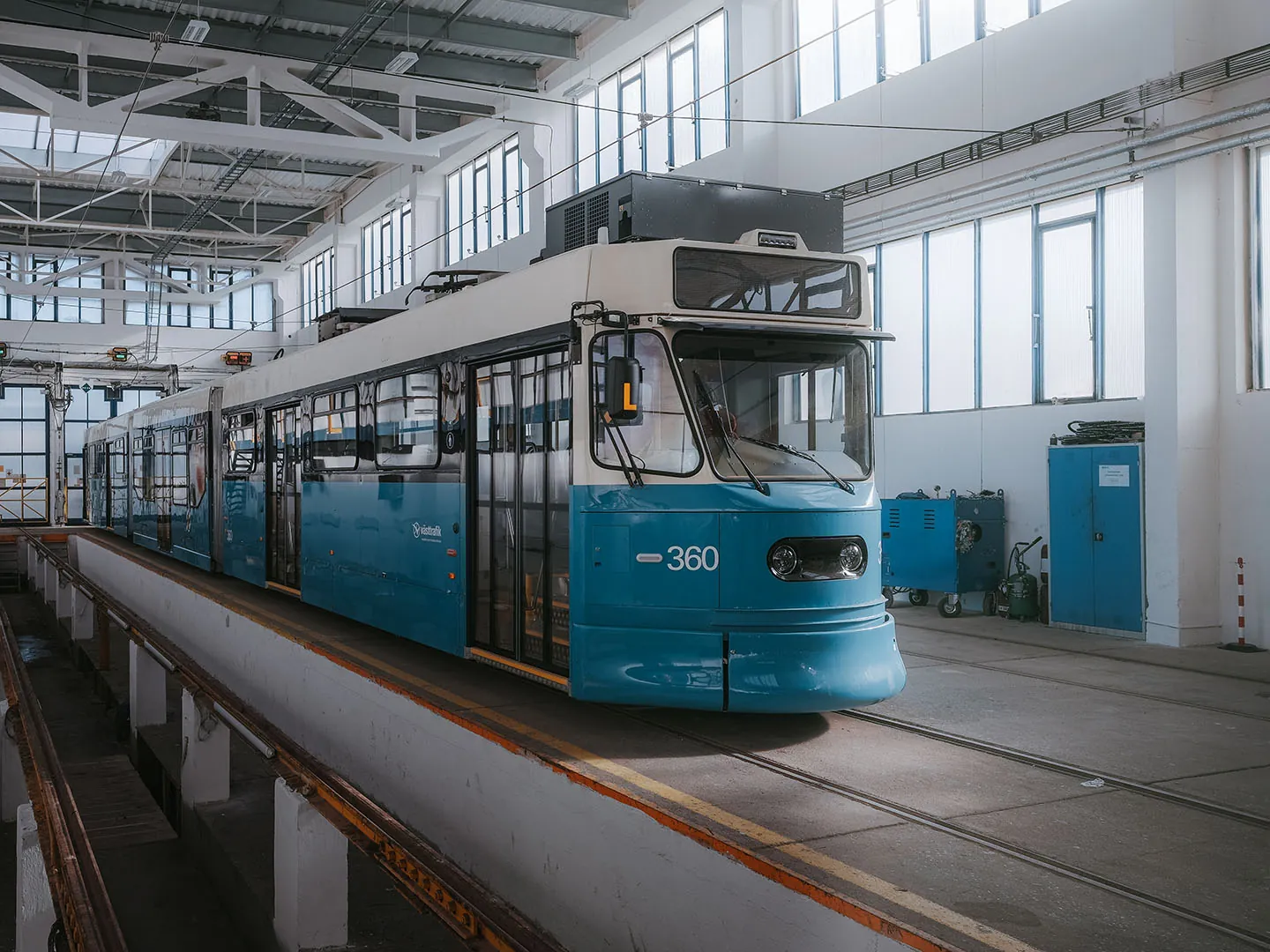
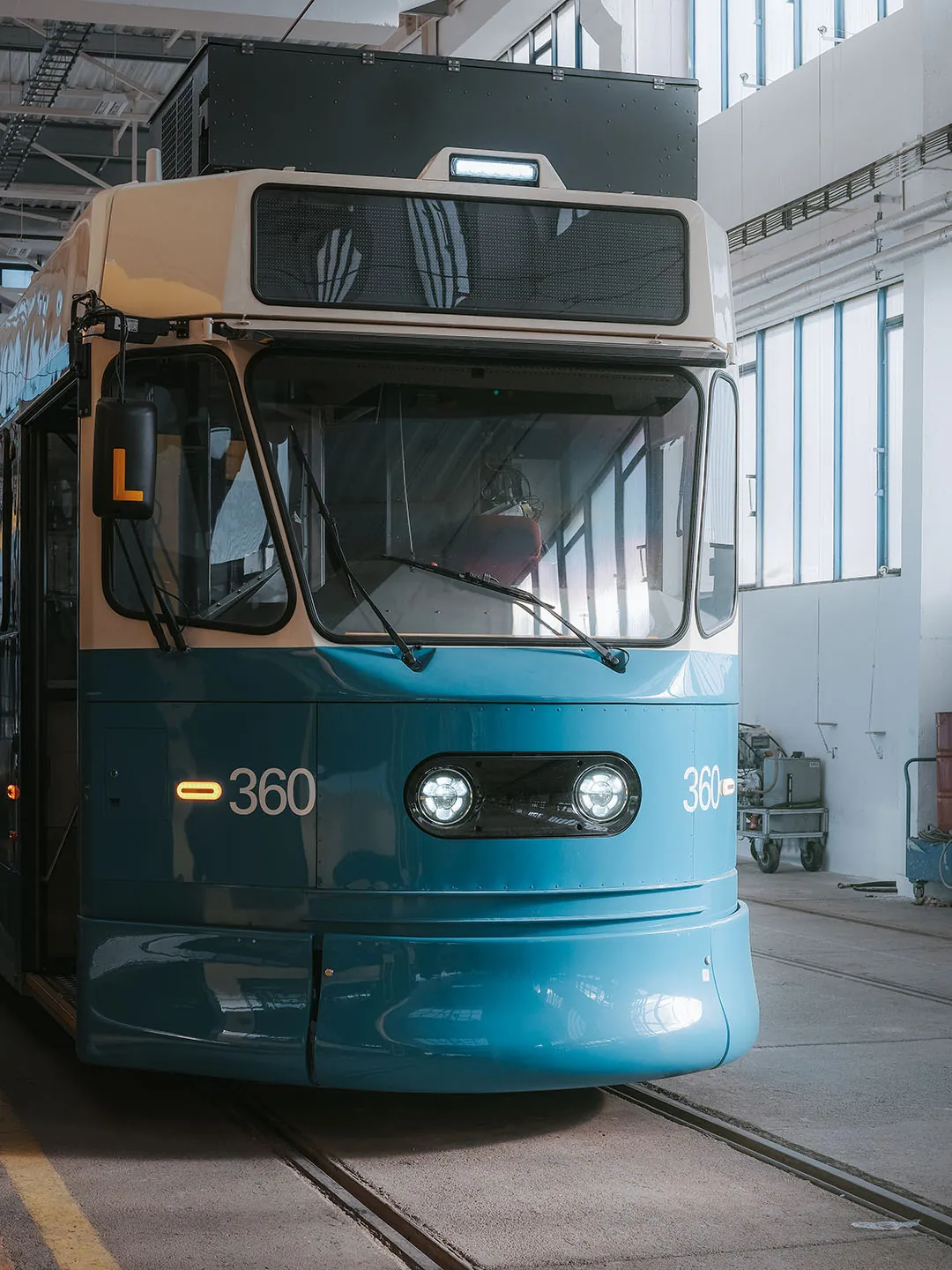
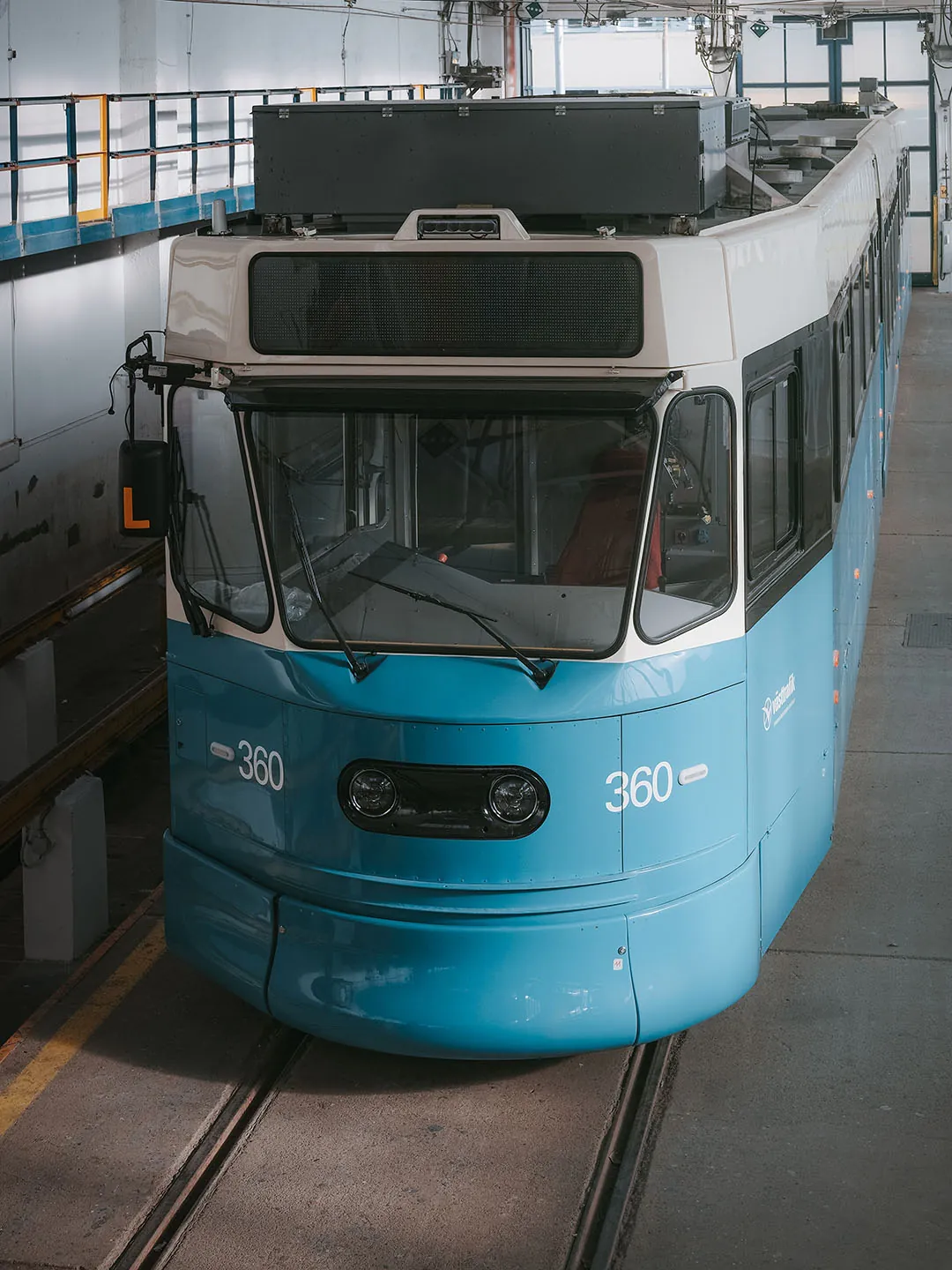
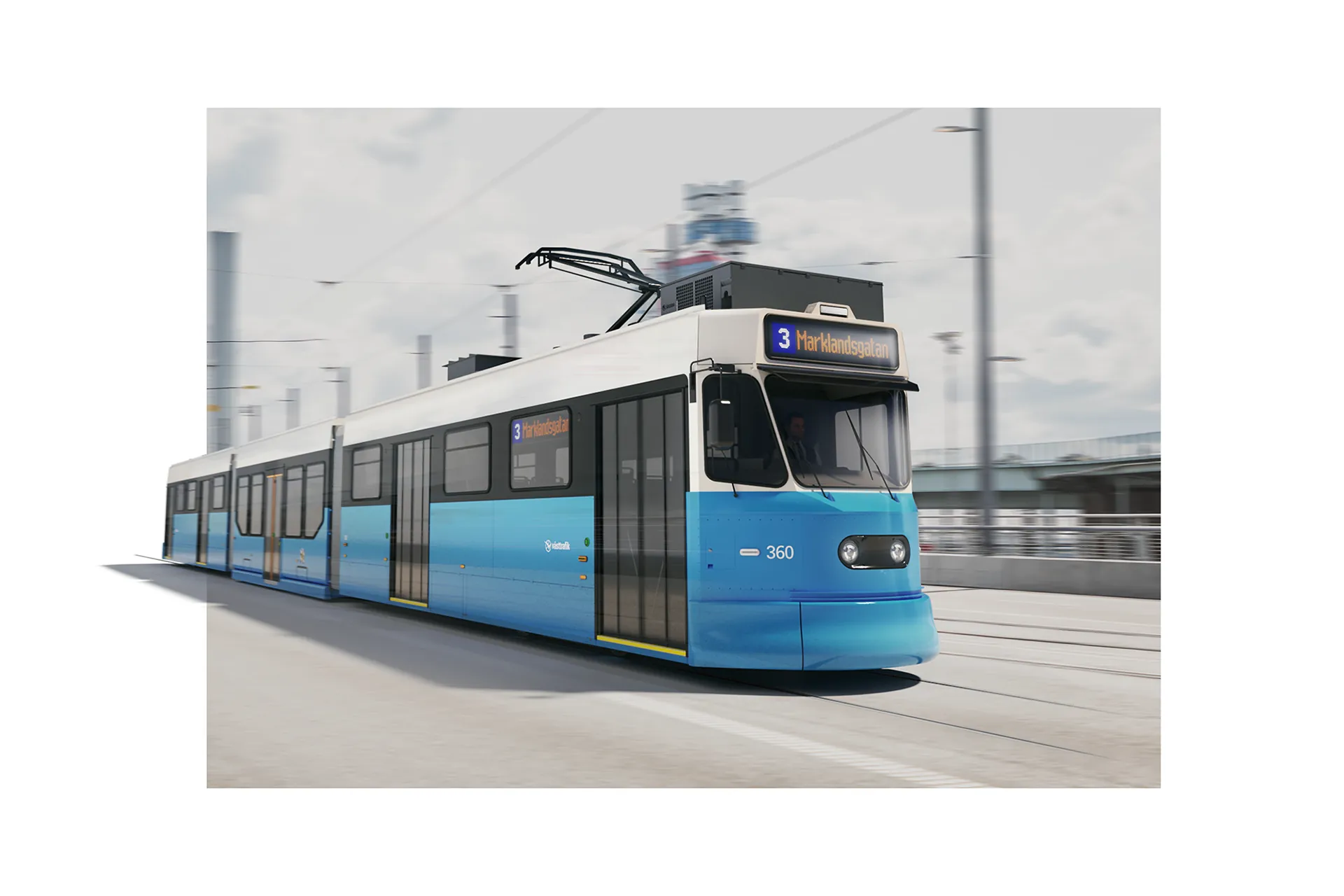
The exterior design focuses on subtle yet meaningful refinements that enhance the overall visual quality without disrupting the original character of the tram. Modern elements such as updated lighting systems, new doors, air conditioning units, and additional technical components are carefully integrated into the existing structure, creating a cohesive and contemporary appearance.
An important aspect of the project was also the improvement of passenger comfort and safety. The modernization introduces a higher standard of usability and aligns the vehicle with current expectations for urban public transport. The project represents a balanced combination of precise redesign, technical accuracy, and respect for the original concept. The result is a vehicle that retains its iconic identity while meeting modern requirements for functionality, safety, and visual quality.
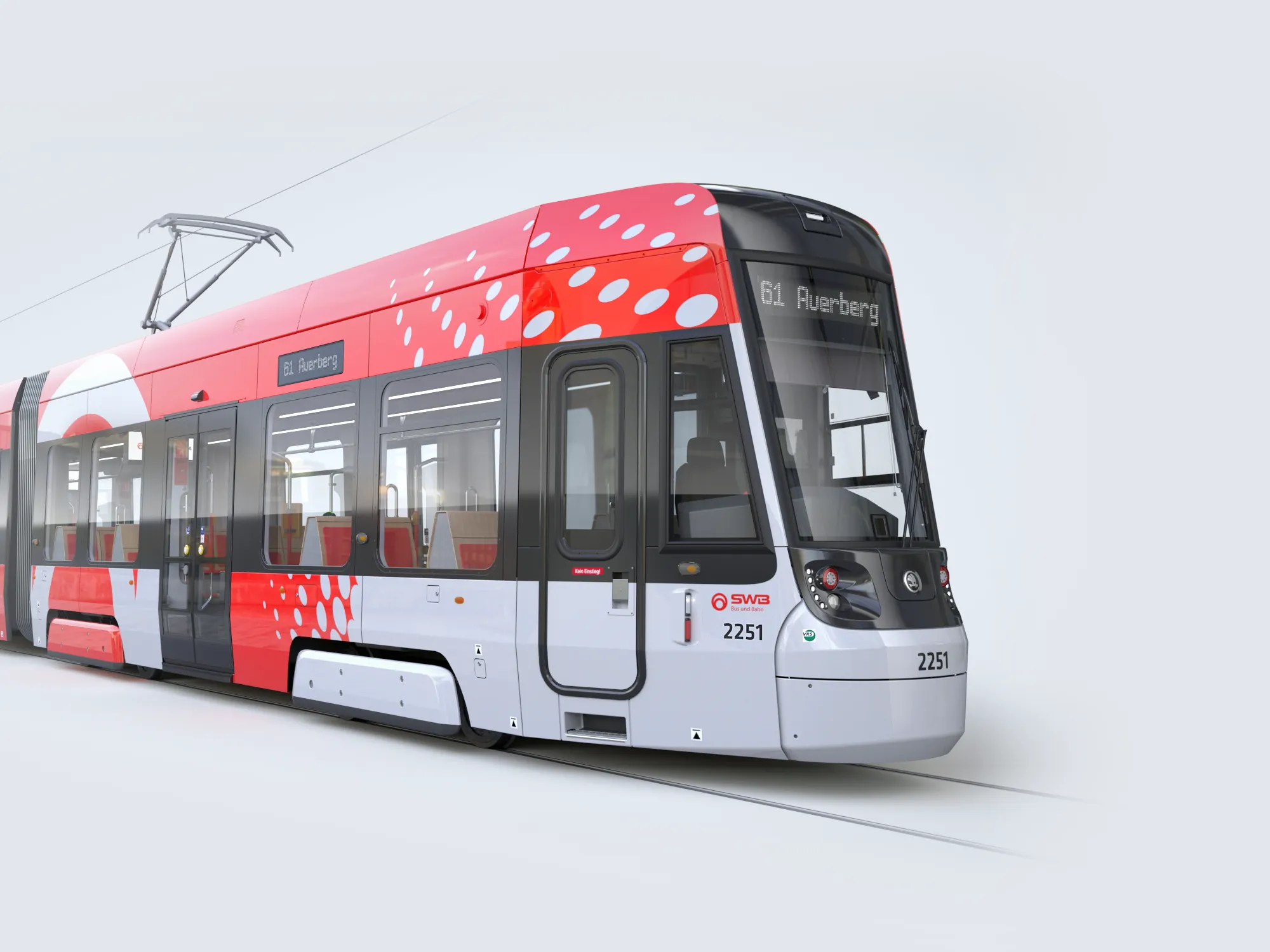
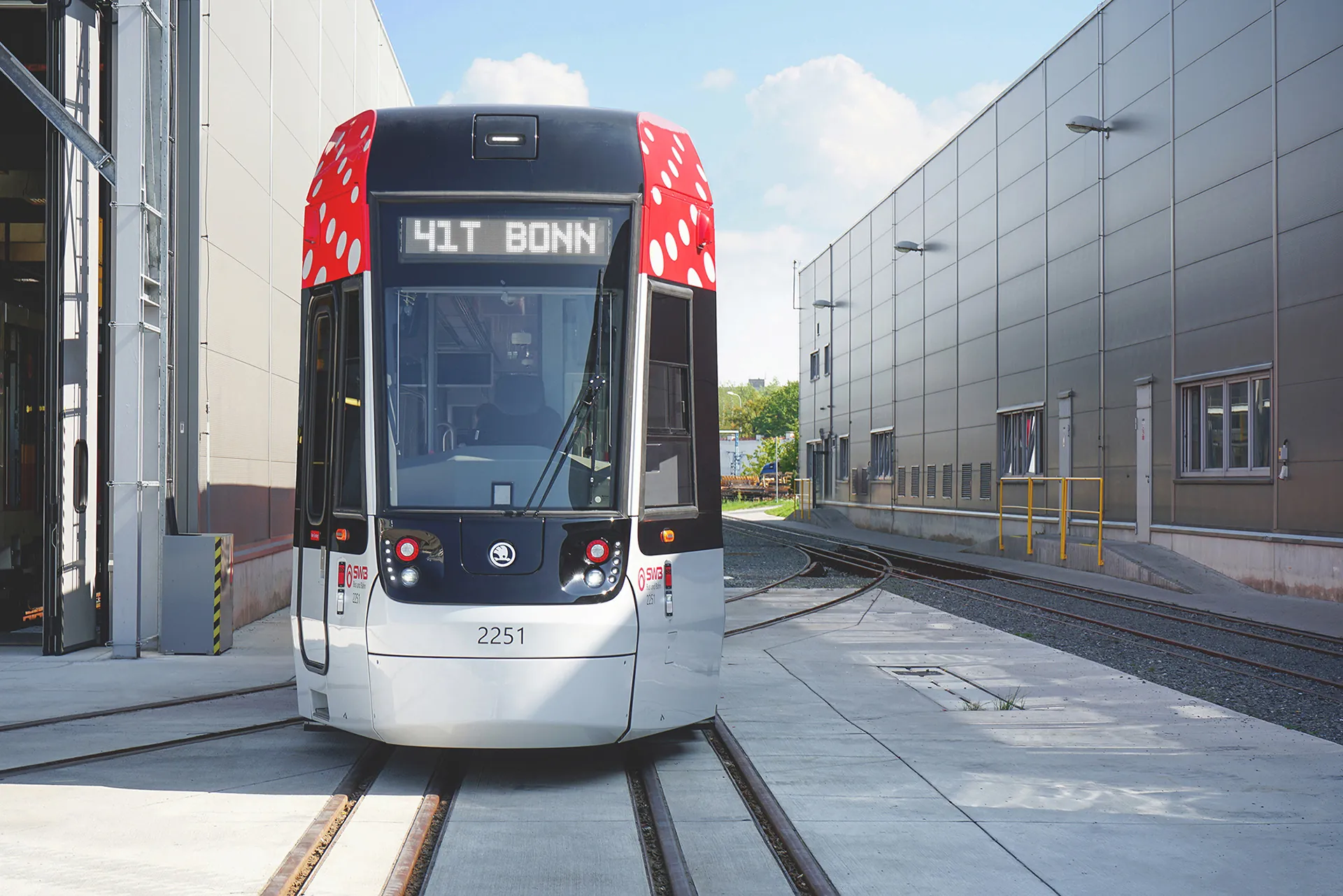
Tram ForCity Smart Bonn is the newest member of the SWB vehicle fleet. A modern and fully low-floor vehicle with pivoting bogies was designed specially for the city of Bonn and respects its unique visual identity. The structure and the shaping of the tram head increases the safety for the driver and pedestrians. The characteristic shaping of lights on the black mask gives the vehicle a positive and distinctive look.

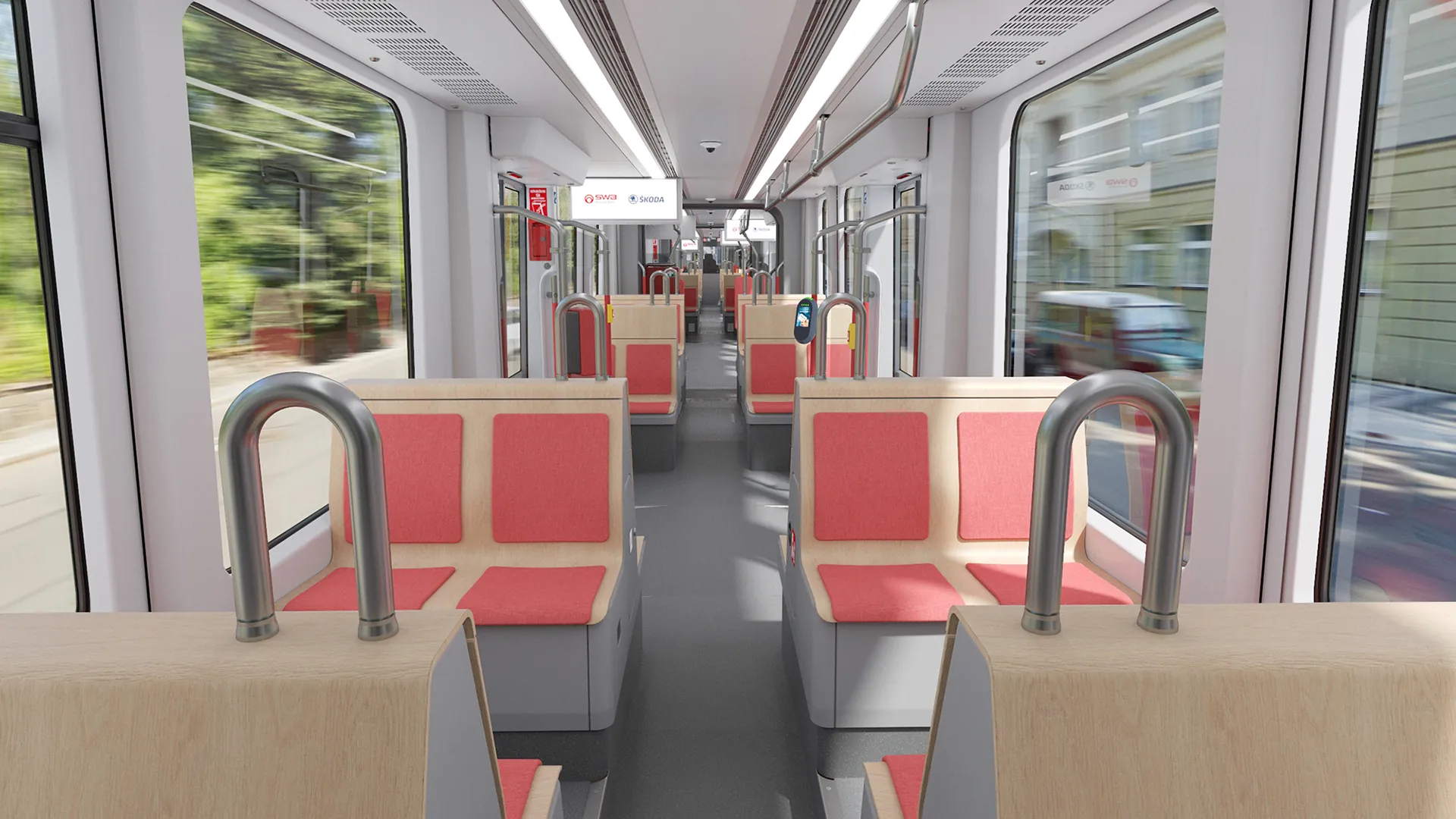
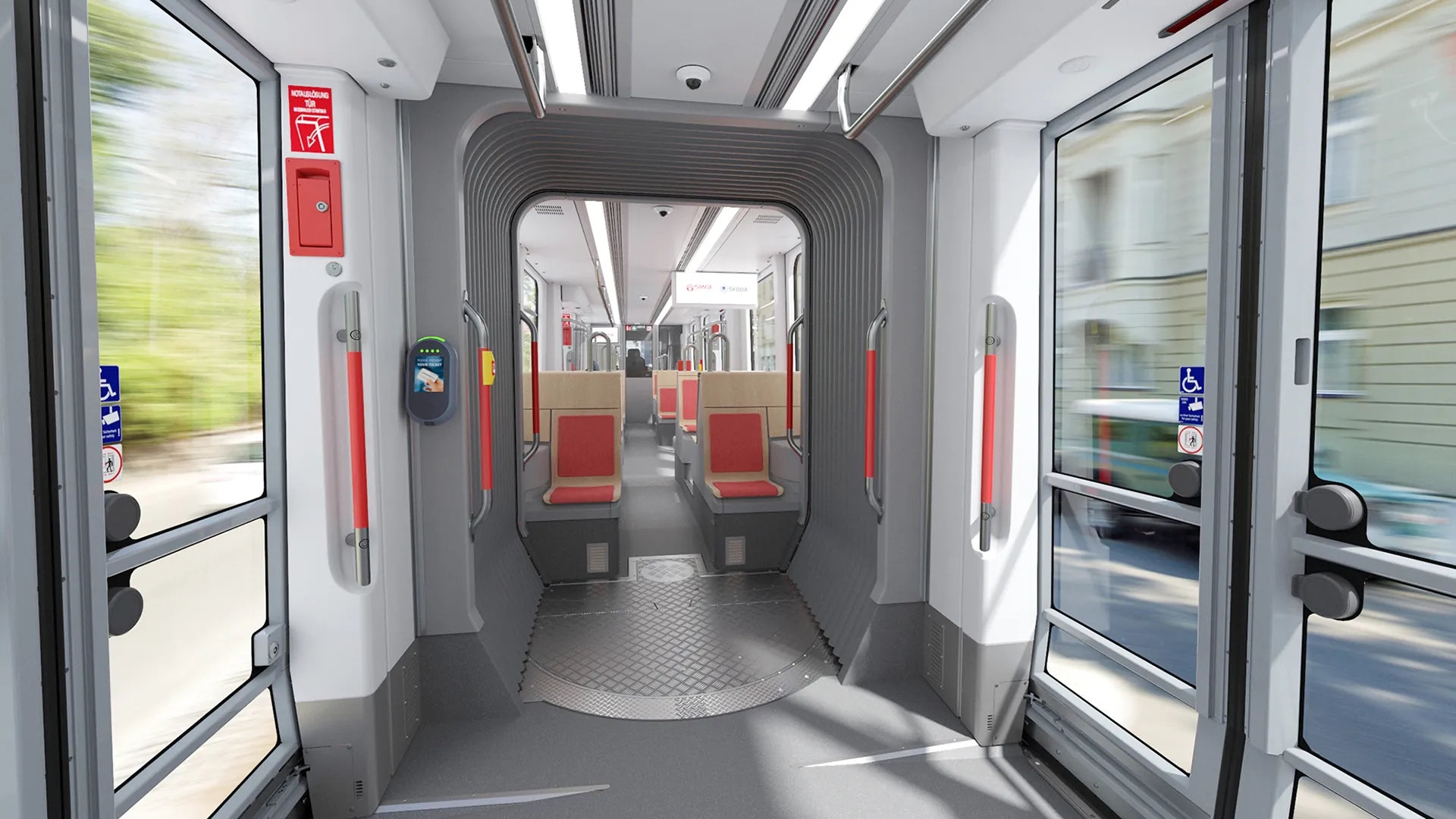
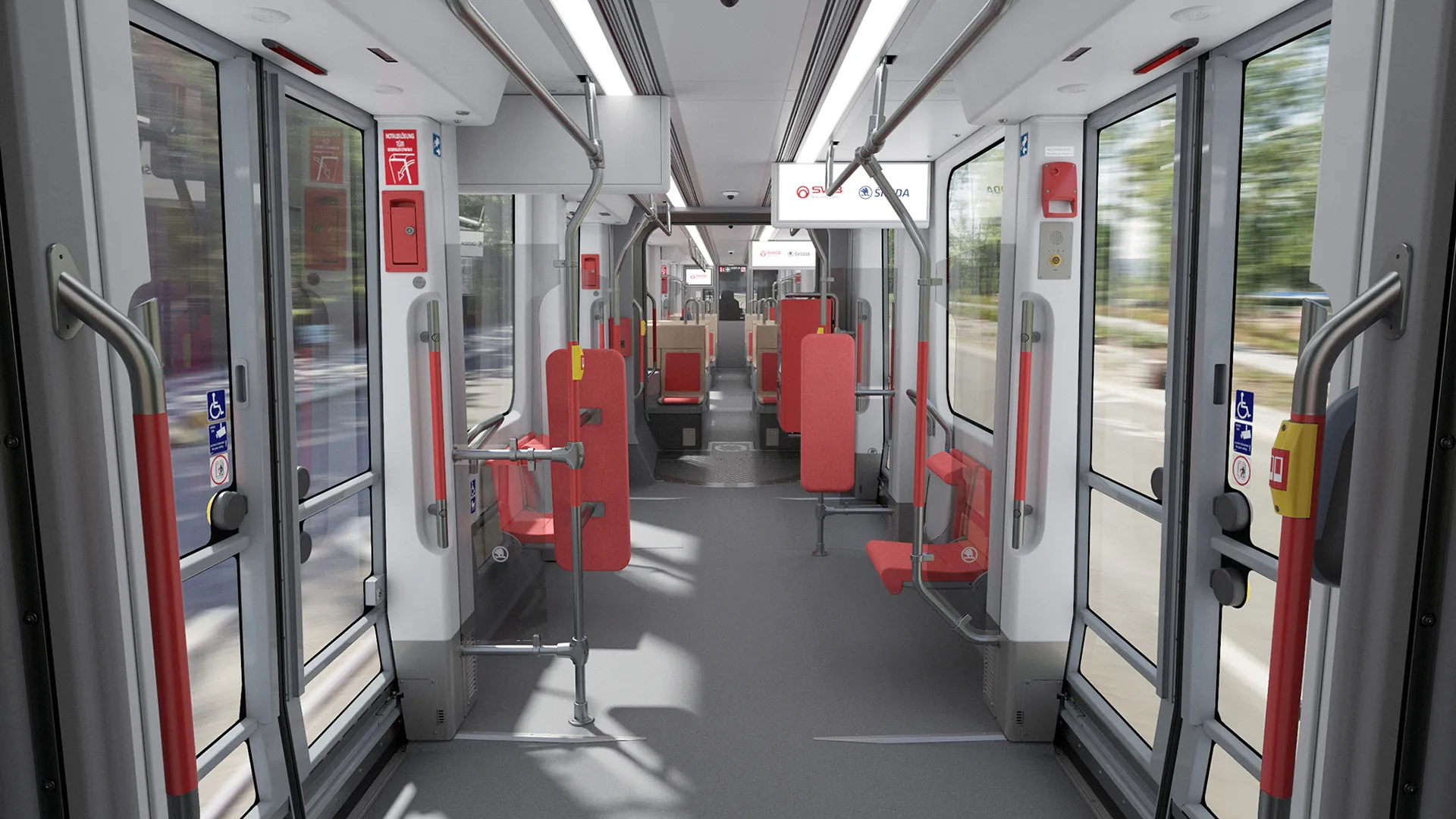
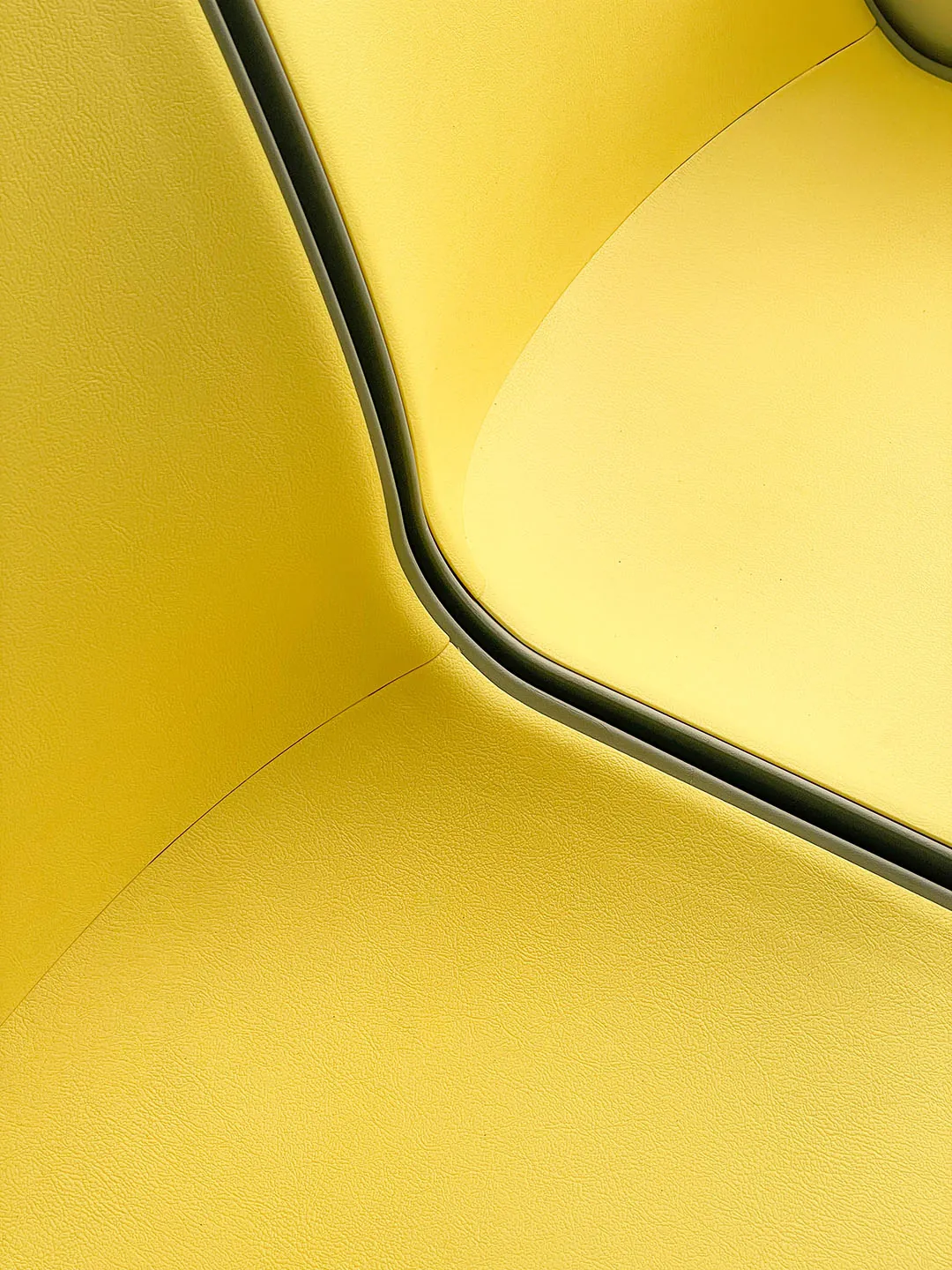
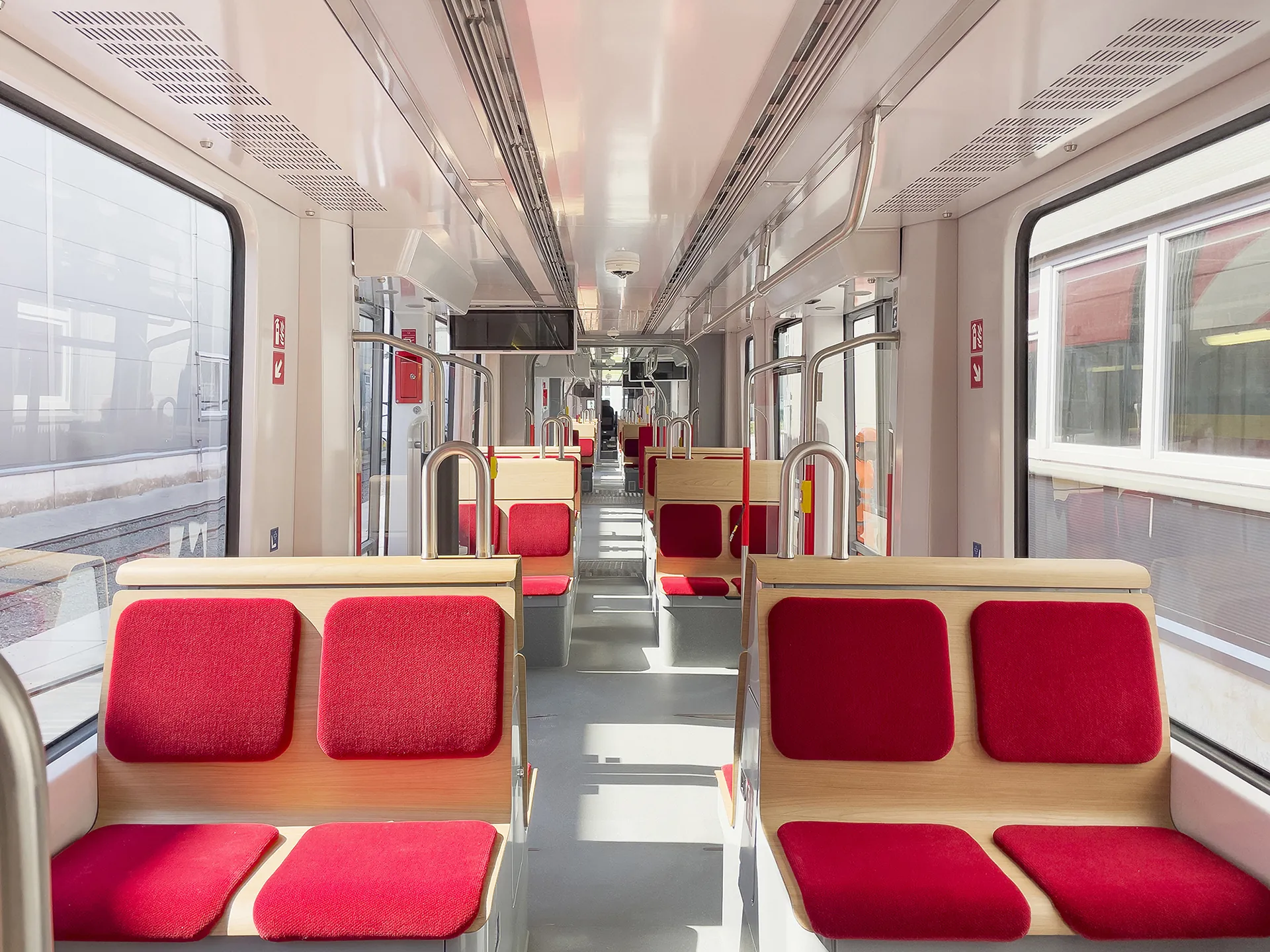
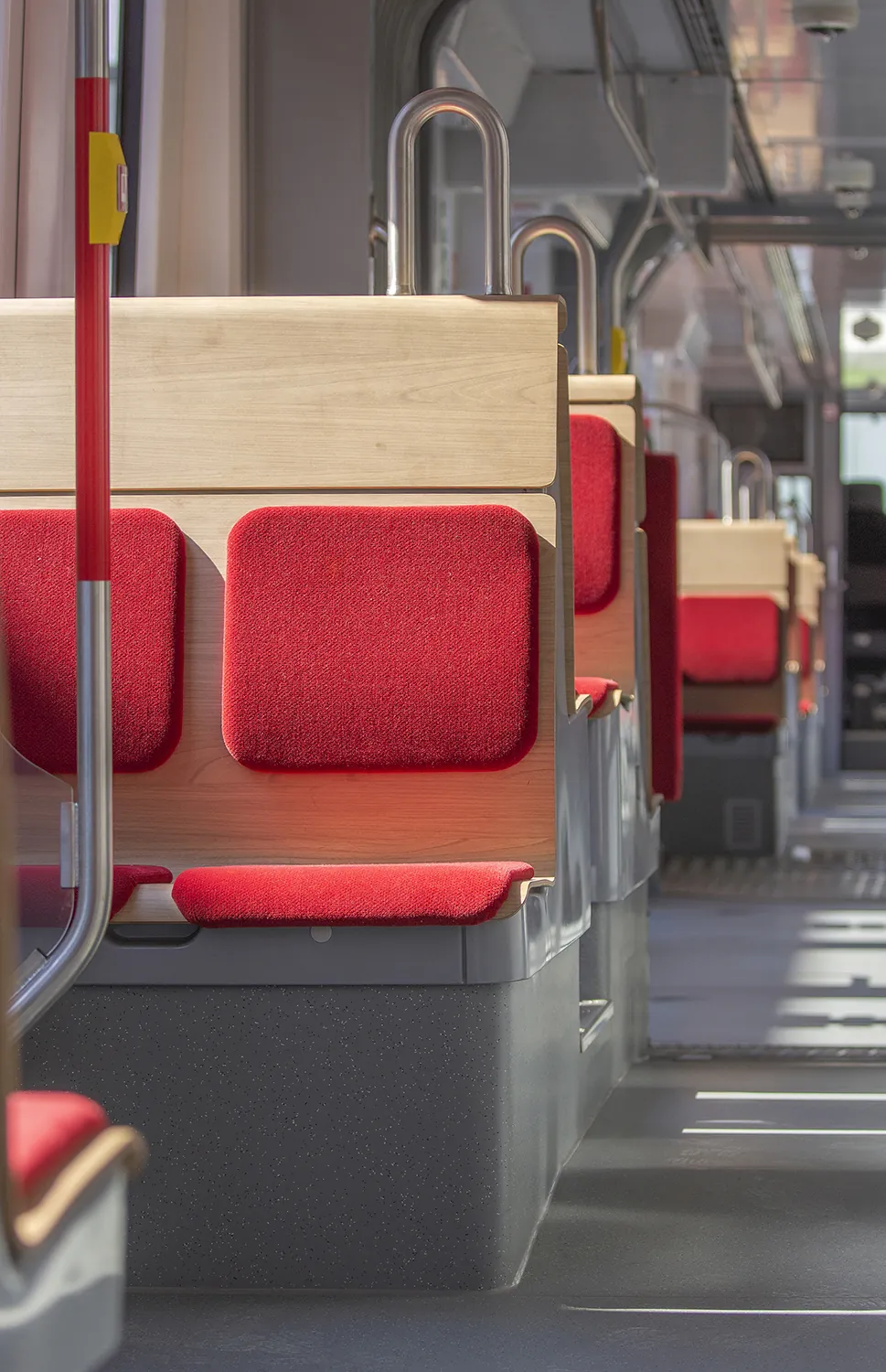
The interior, equipped with comfortable upholstered wooden seats, creates a pleasant atmosphere and provides an enjoyable journey. Removable pillows and compact shape of the seat ensure easy maintenance and long durability. Wide LED-highlighted entrances and large multifunctional areas are helping to improve the travel experience for passengers with various needs. Driver’s cabin was also developed, together with local drivers achieving the highest ergonomic and safety standards.
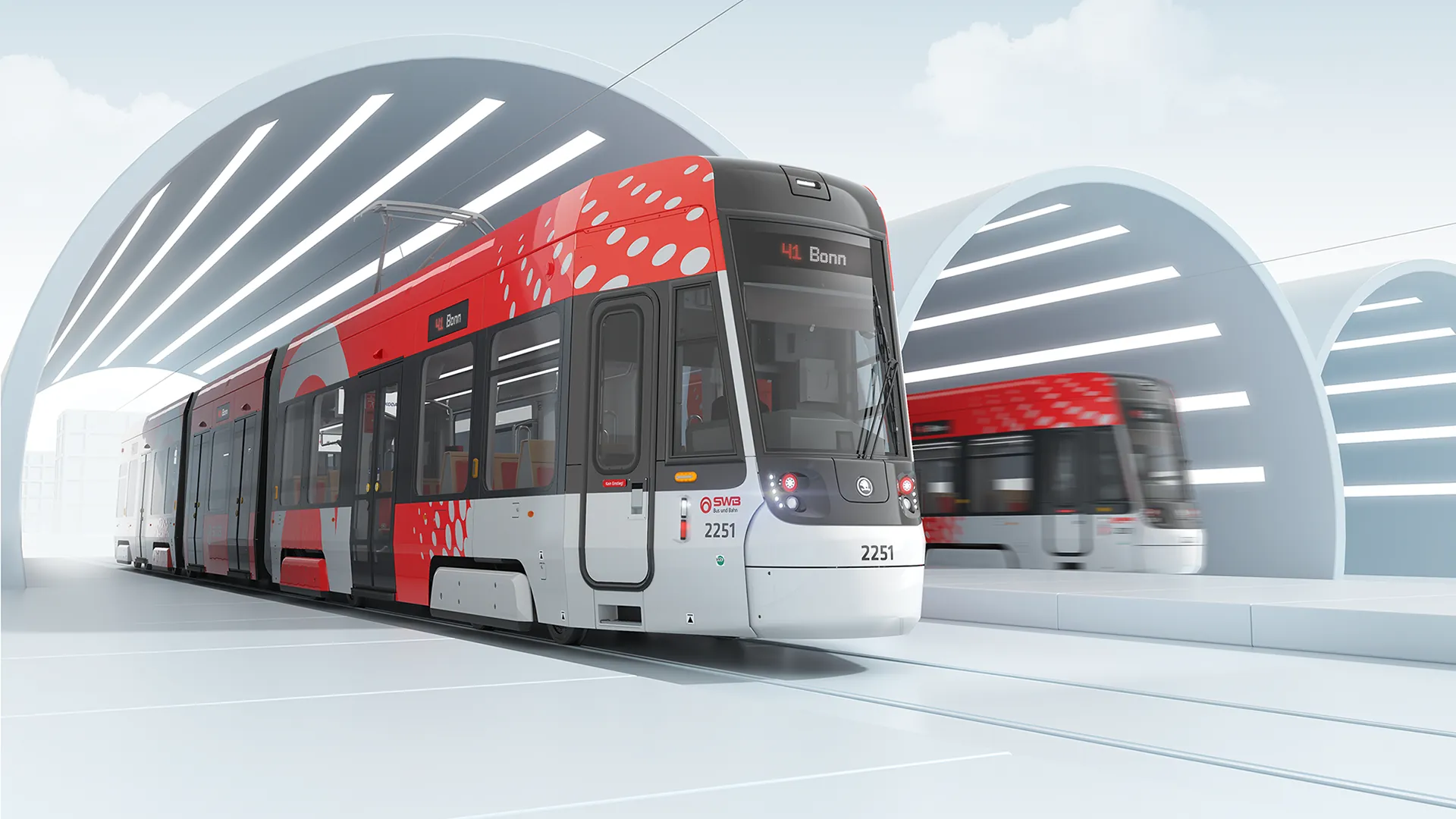
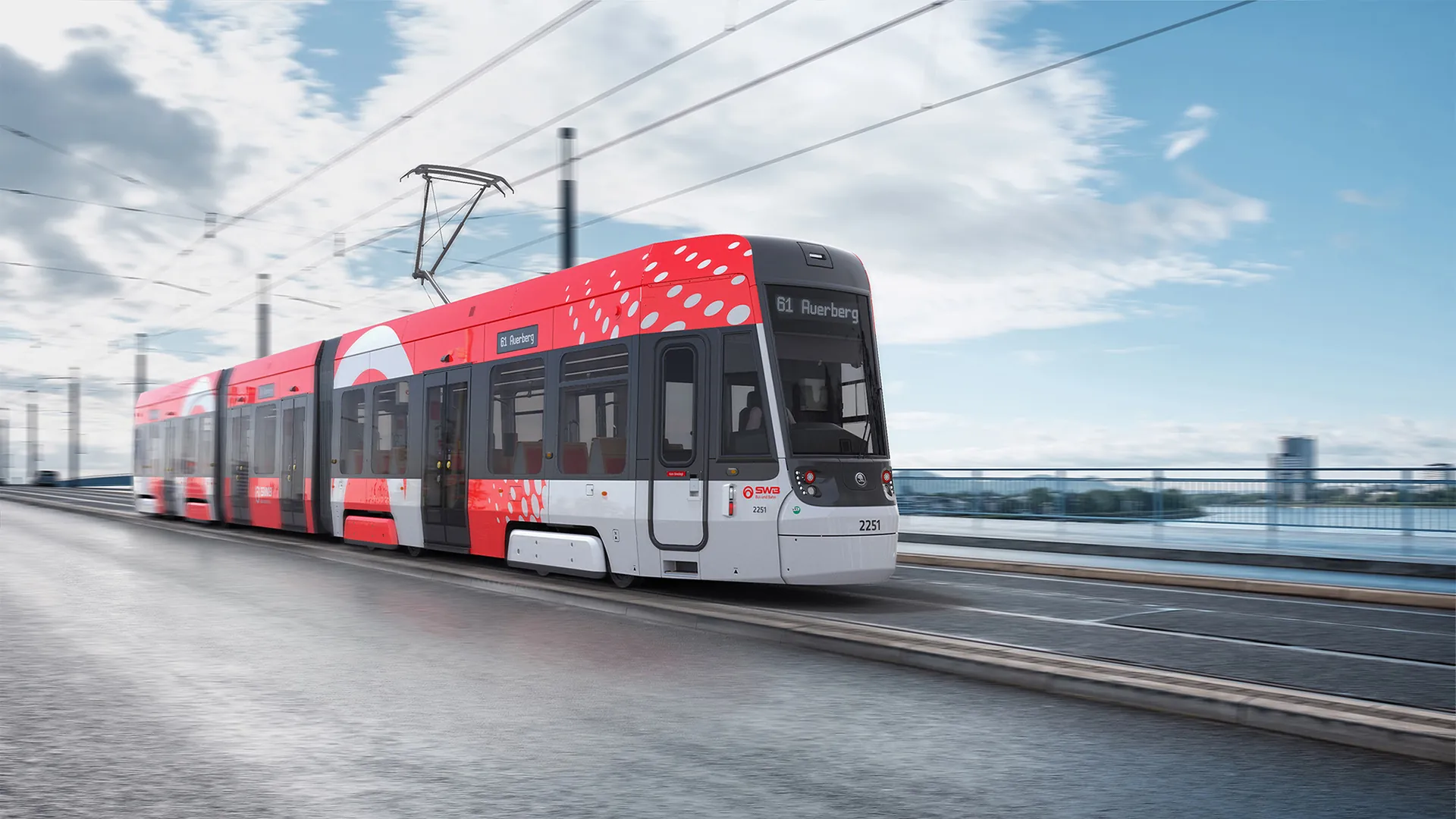
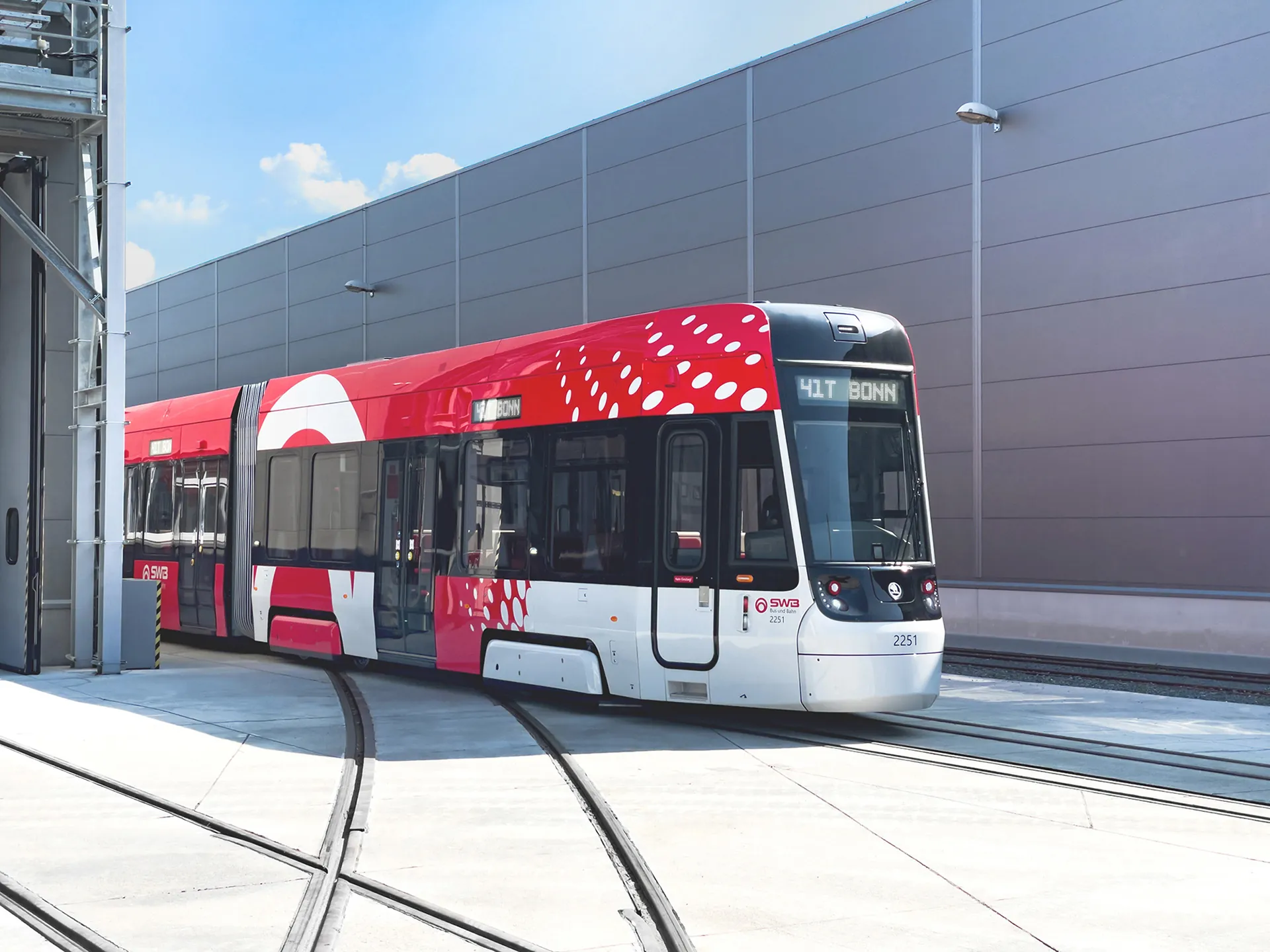
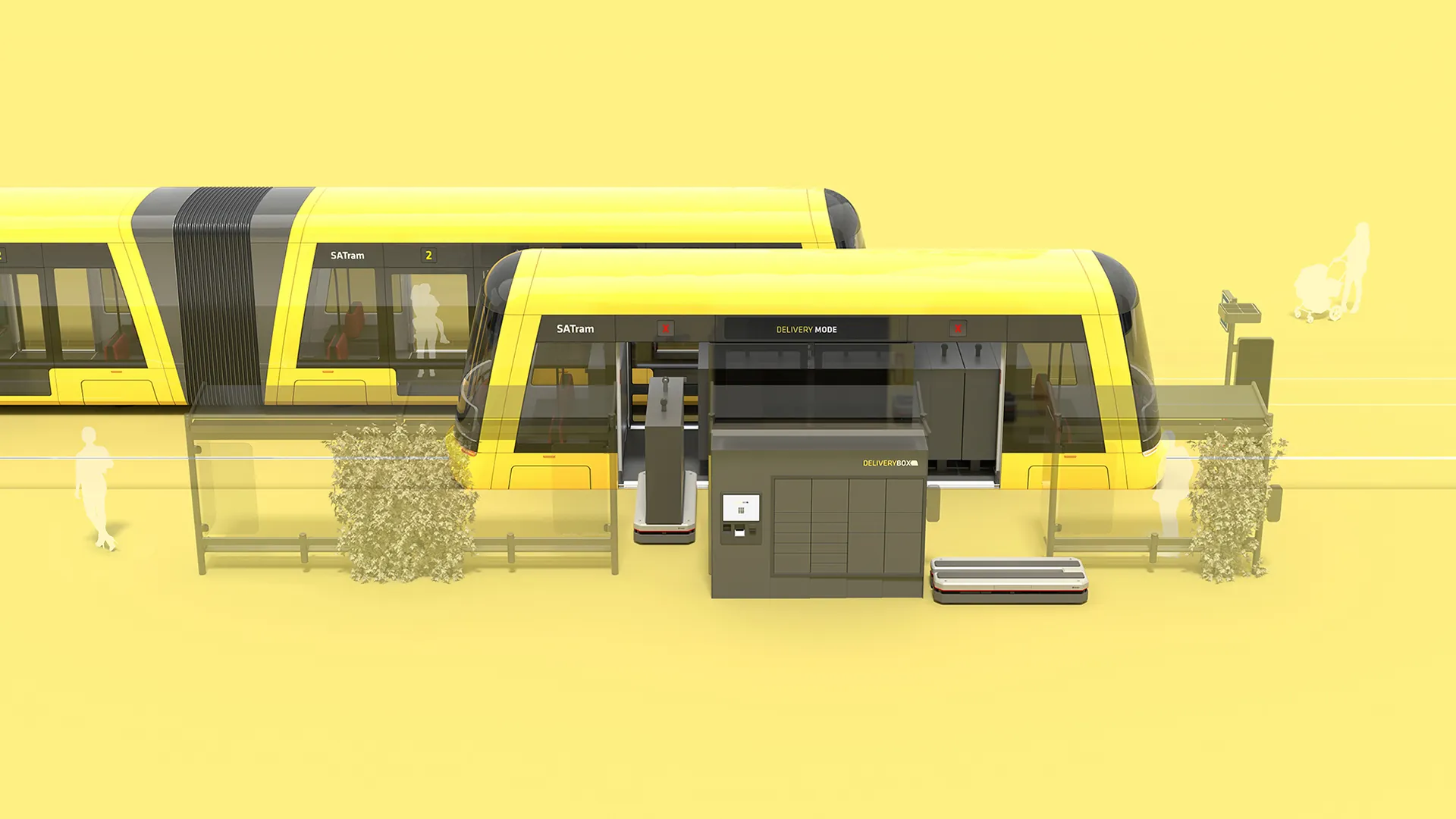
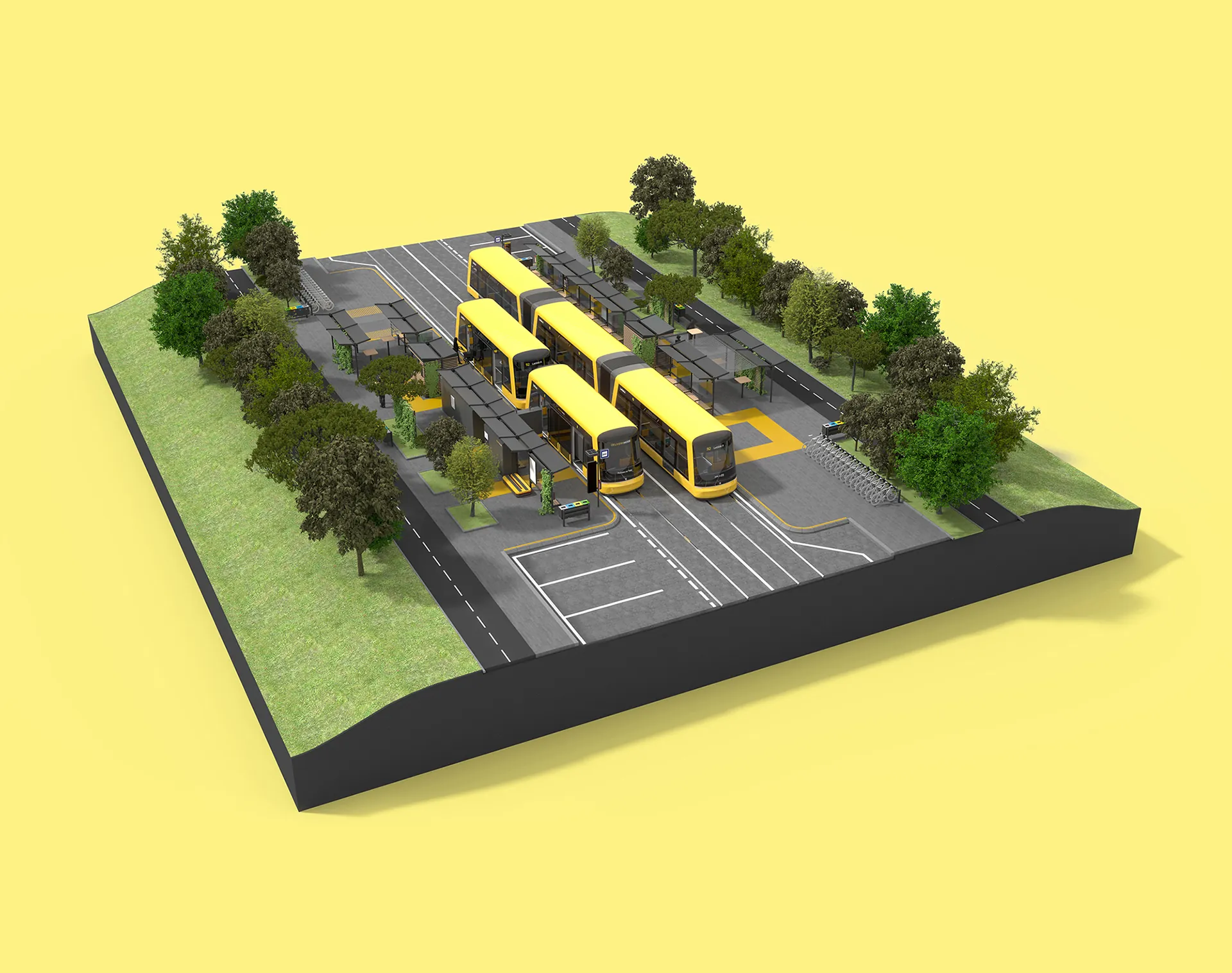
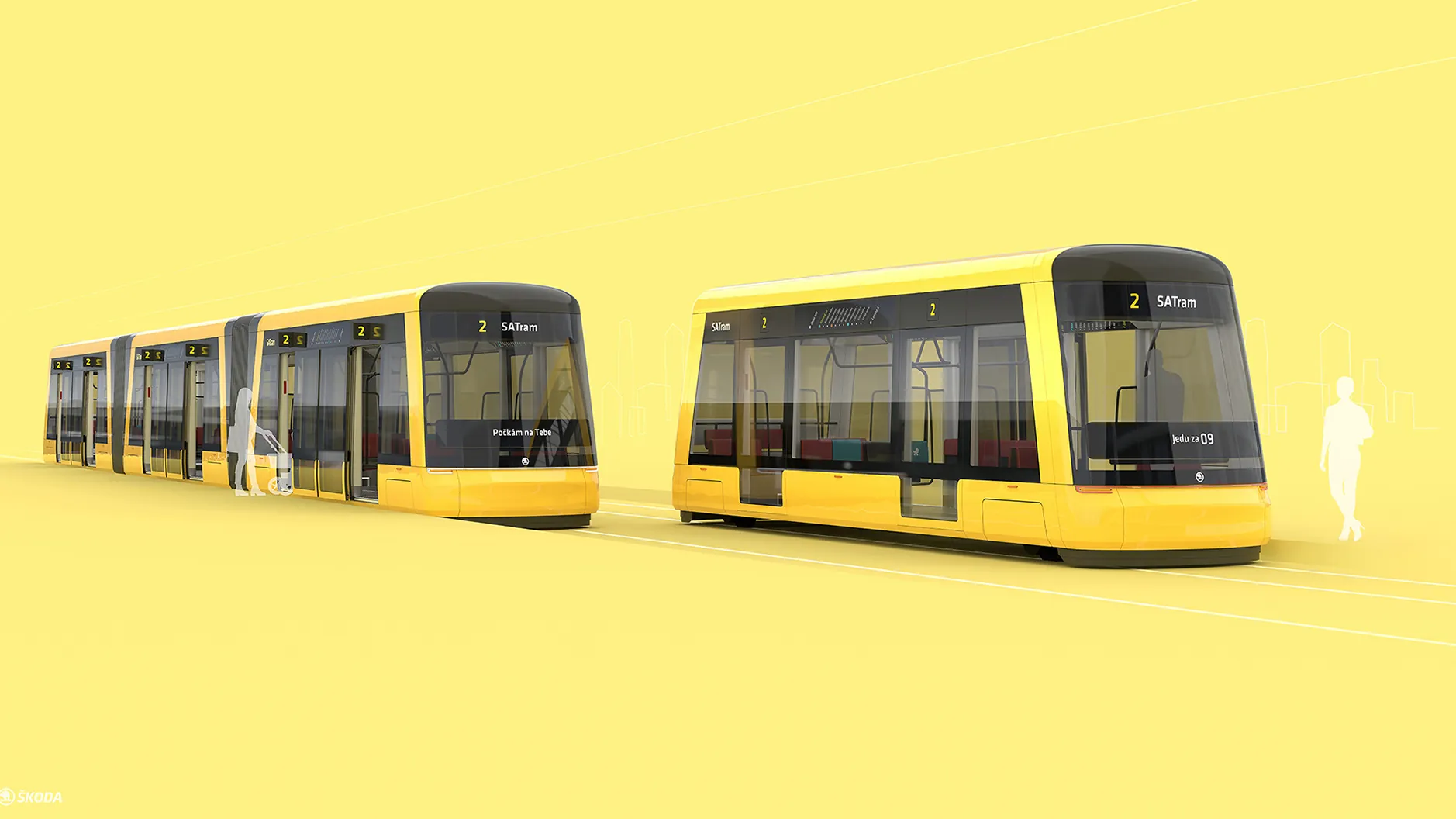
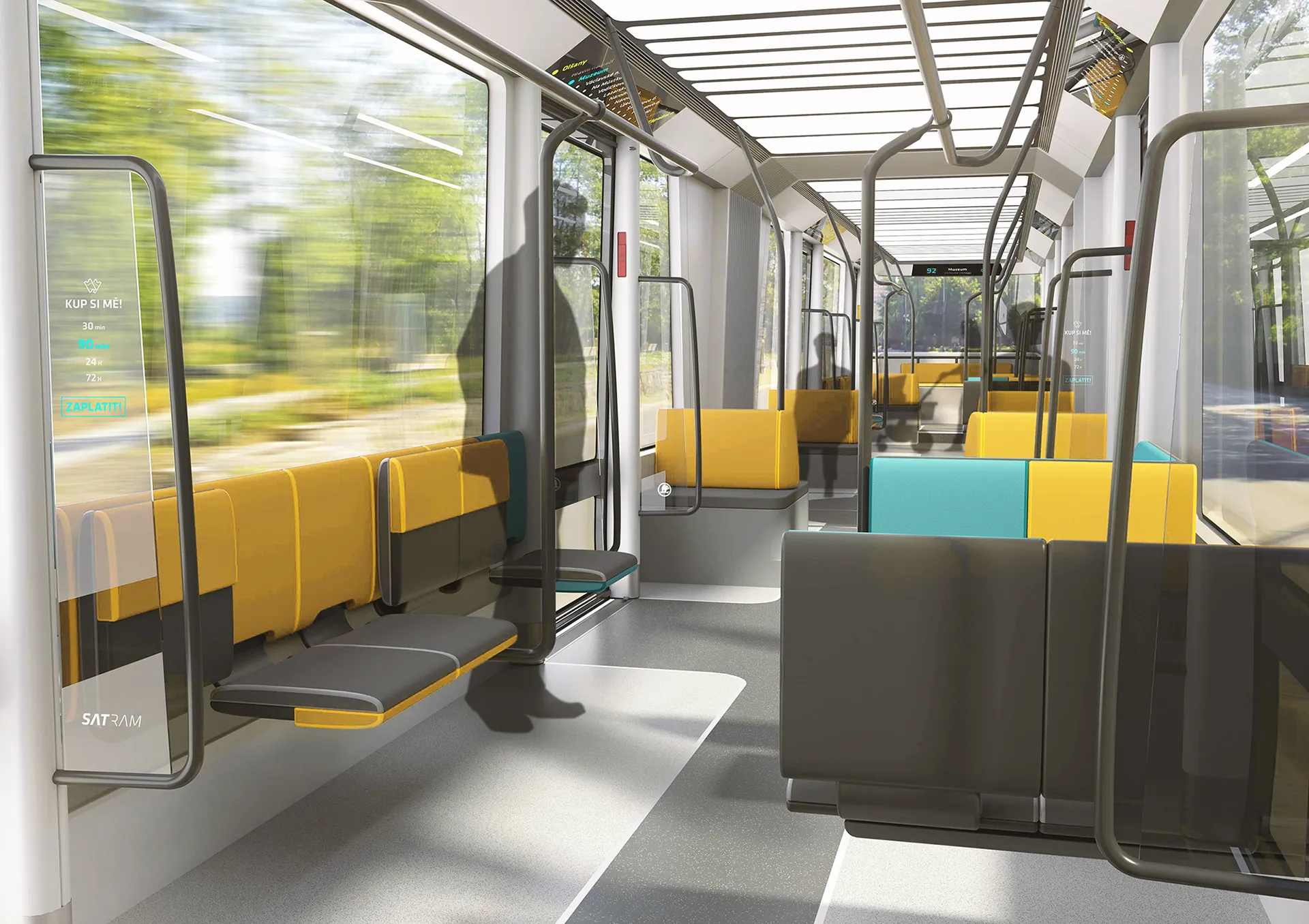
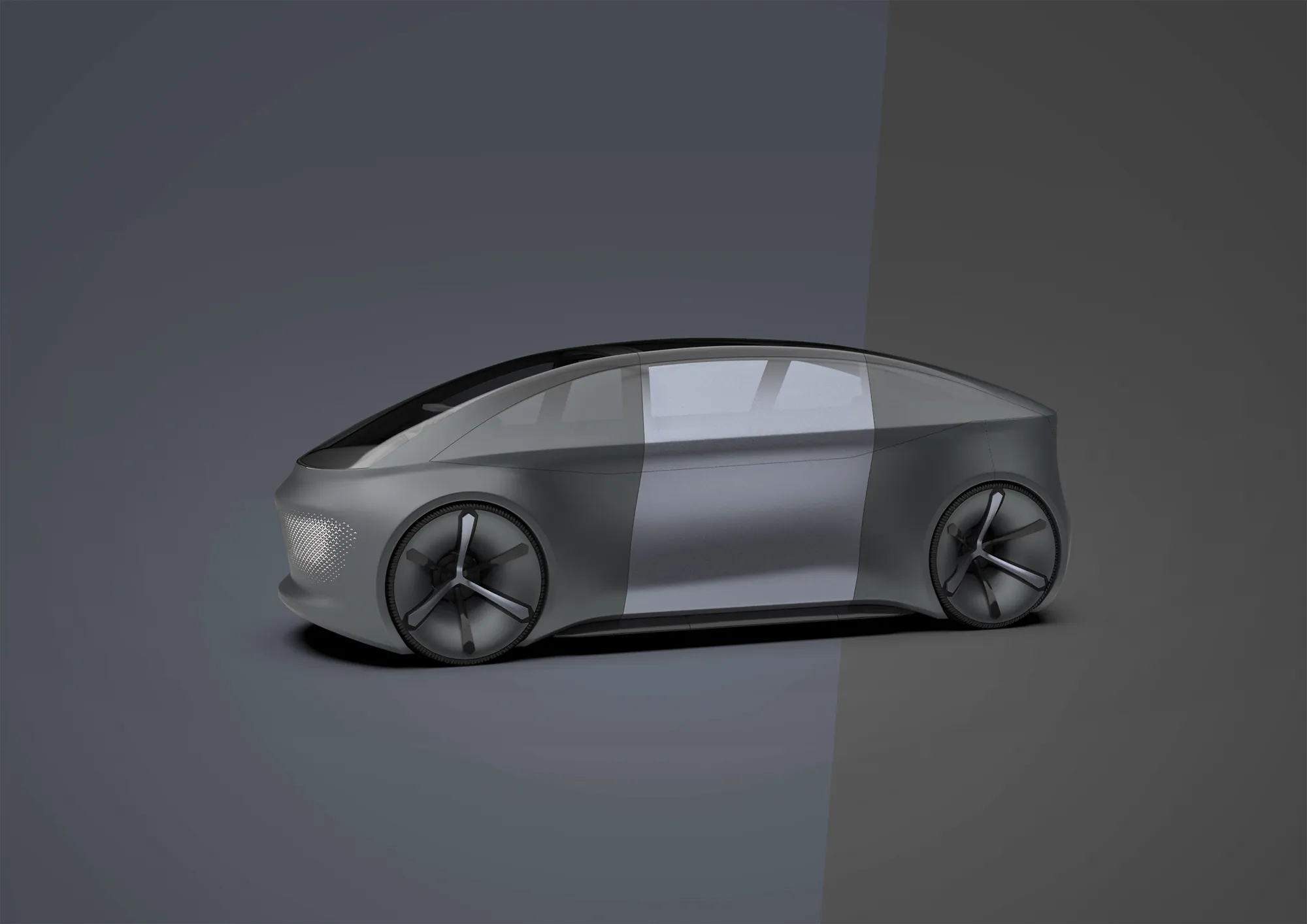
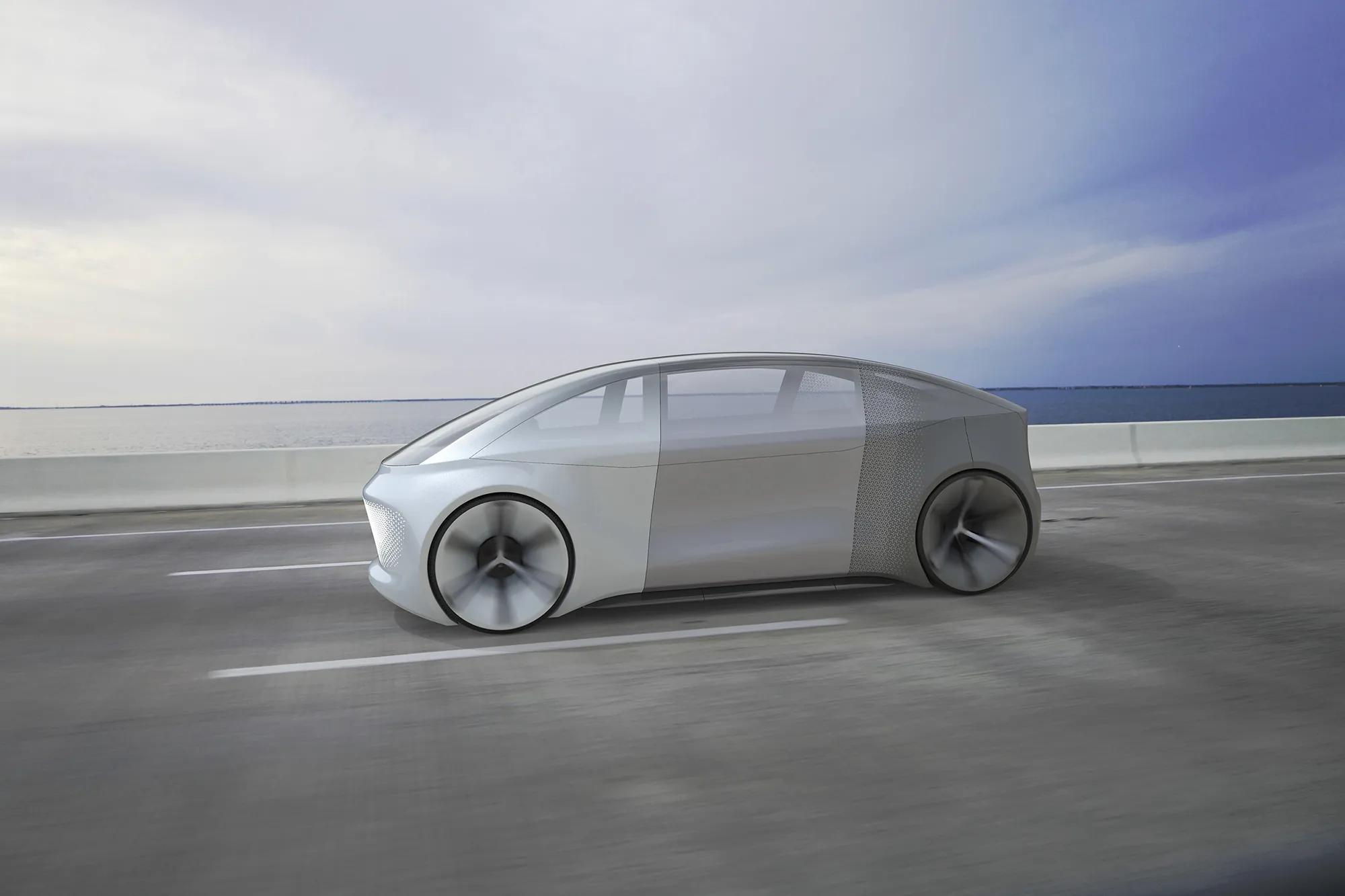
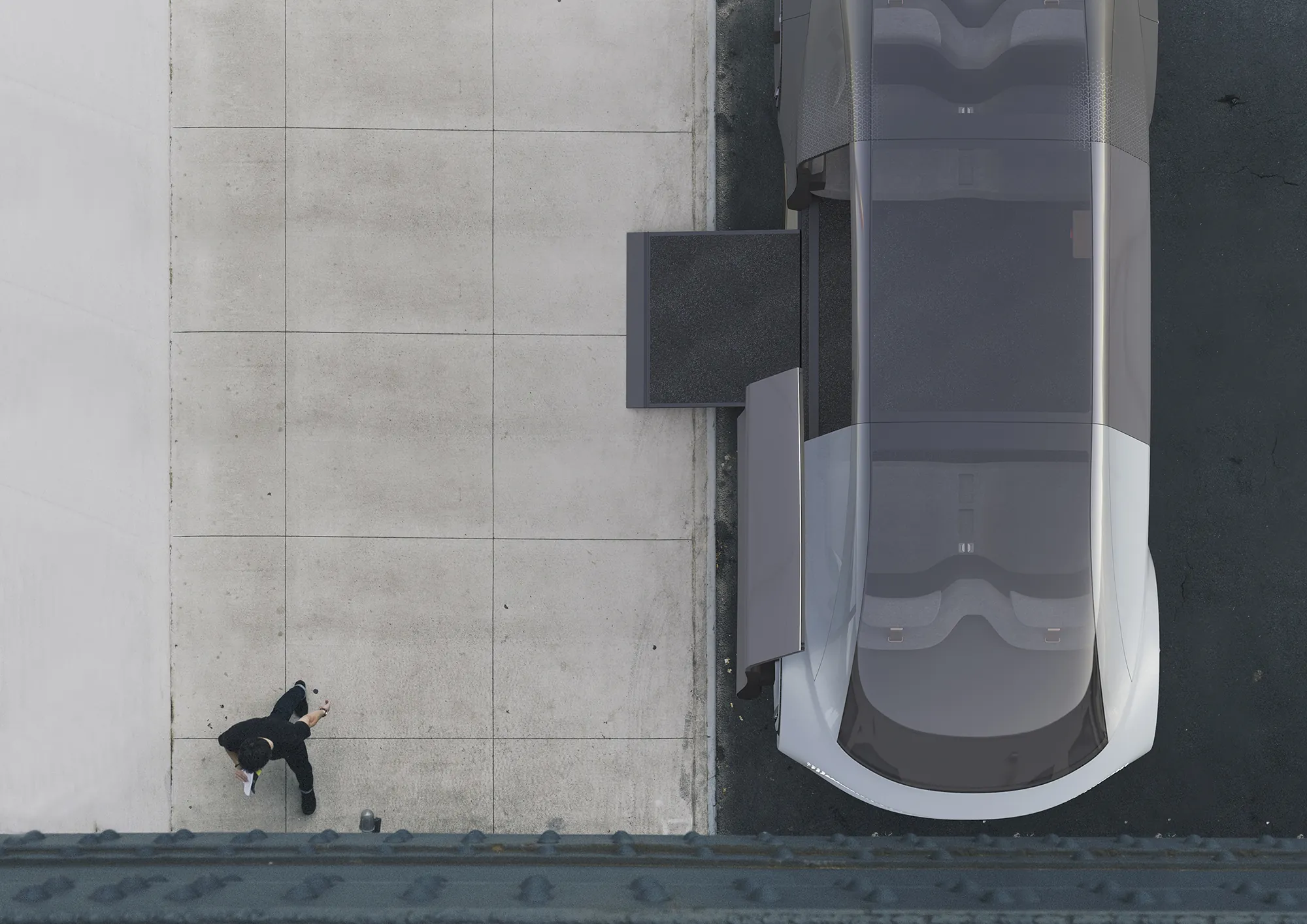
The interior can be adapted to the various needs of passengers or the transportation company. An open space without a driver’s cab with a large front window offers a new driving experience for passangers. And thanks to easily removable interior part, it is also possible to use the vehicle for a delivery service.
My responsibility was the design of the exterior, the principles of the delivery system and tram station functions considering city urban planning. Also considering the communication between vehicles, pessangers and pedestrians. I work closely with the technical, product and development department.
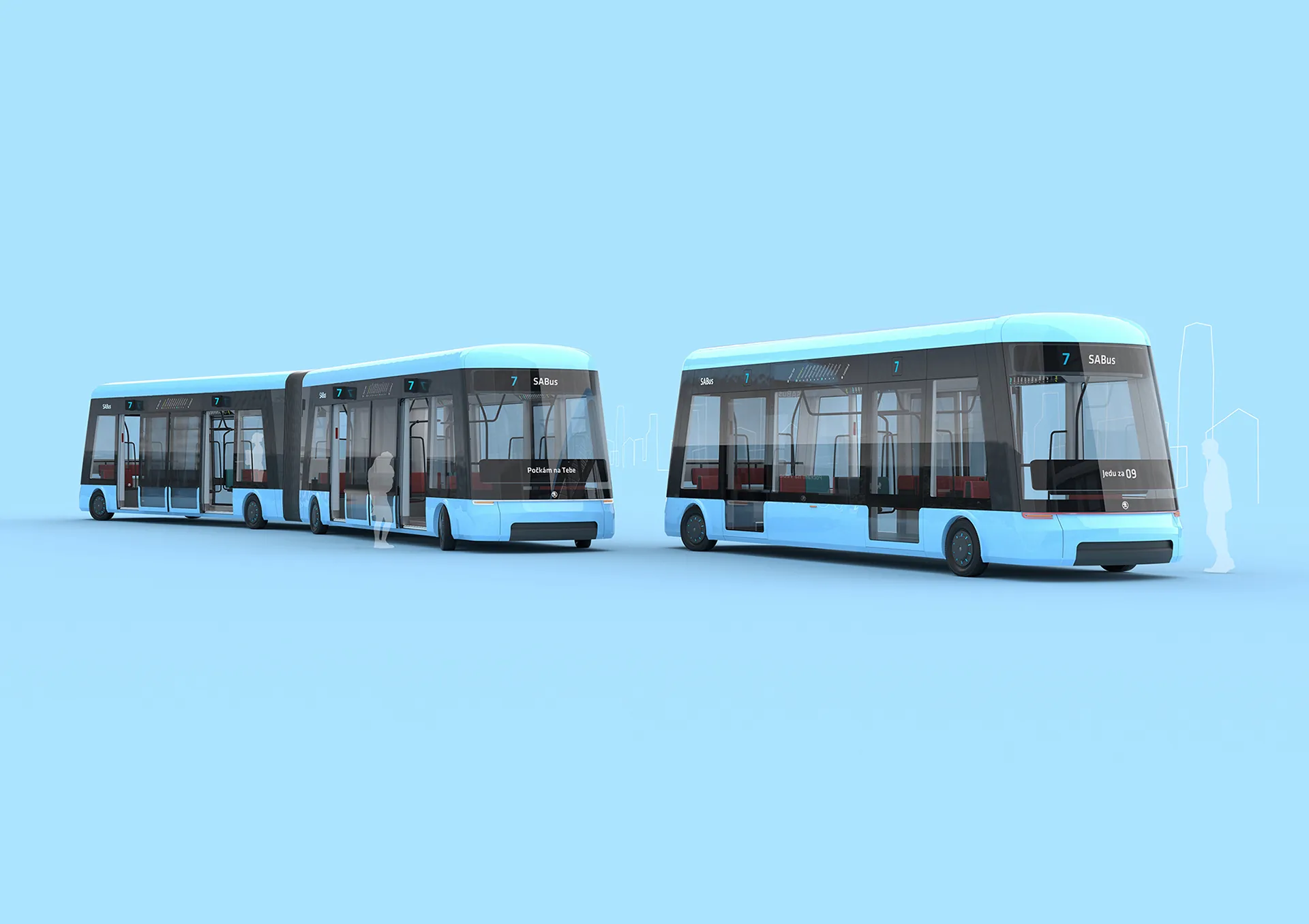
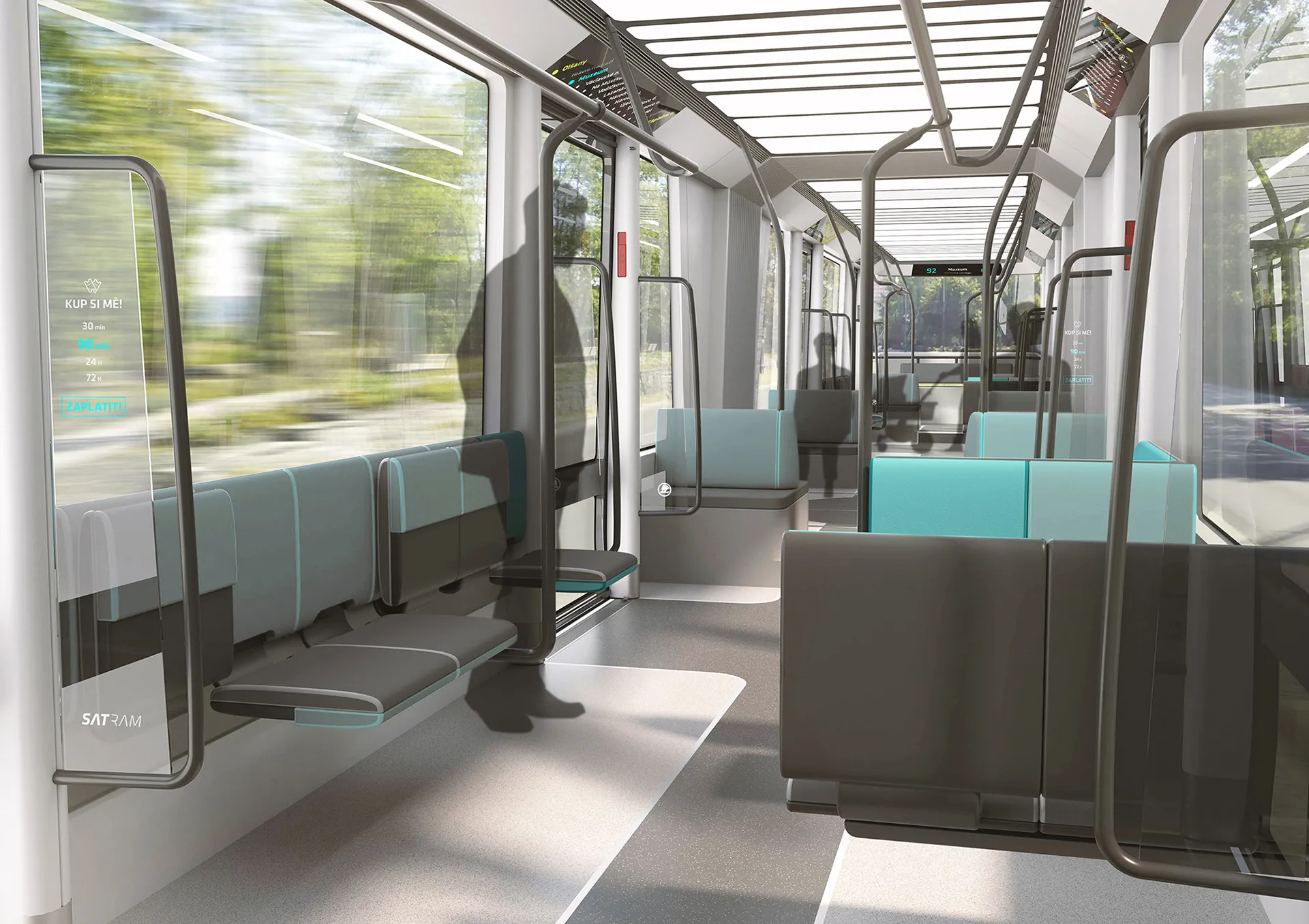
The interior can be adapted to the various needs of passengers or the transportation company. An open space without a driver’s cab with a large front window offers a new driving experience for passangers. And thanks to easily removable interior part, it is also possible to use the vehicle for a delivery service.
My responsibility was the design of the exterior, maintaing the continuation of corporate vizual identyty of vehicles ŠKODA GROUP. I work closely with the technical, product and development department.
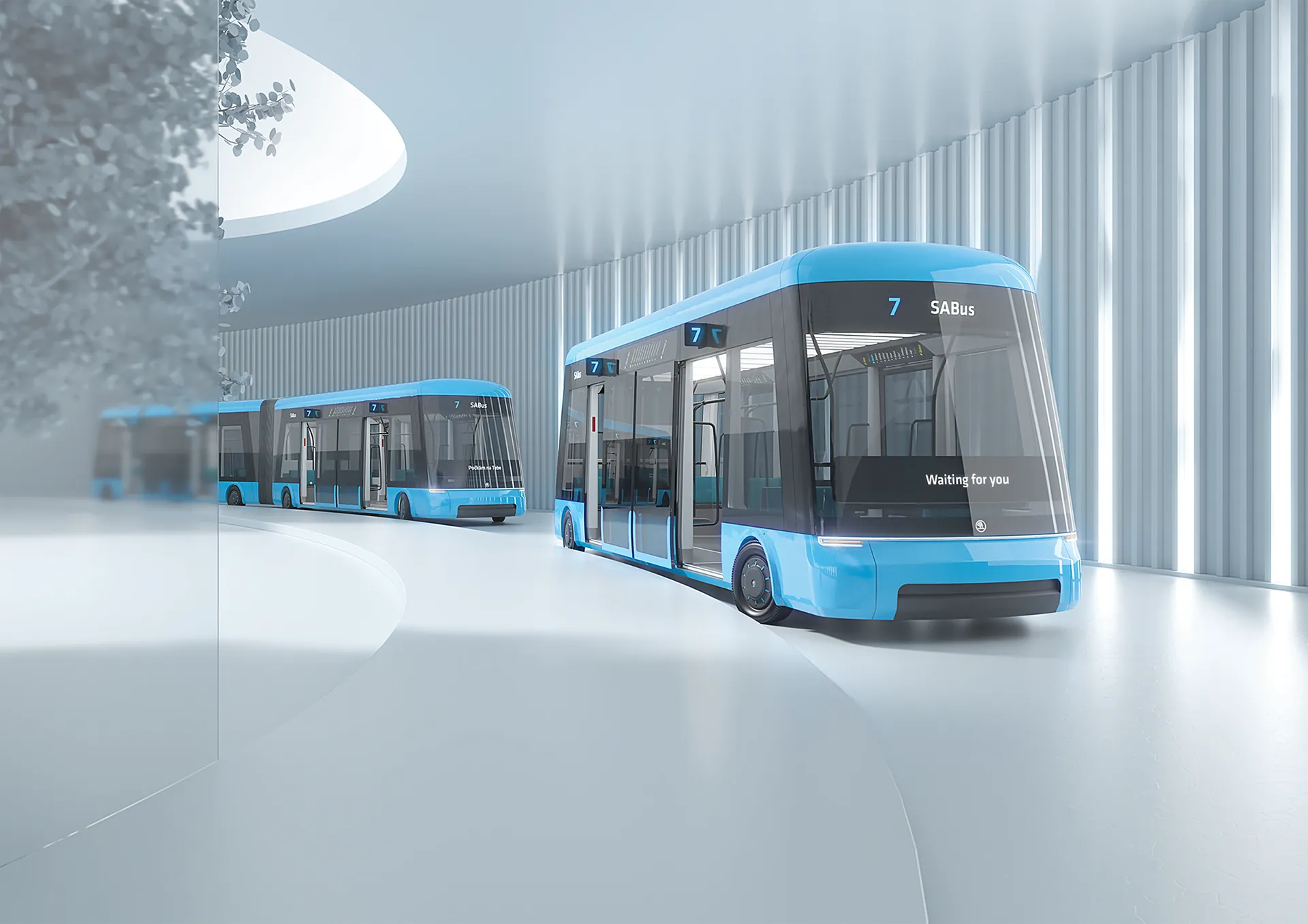
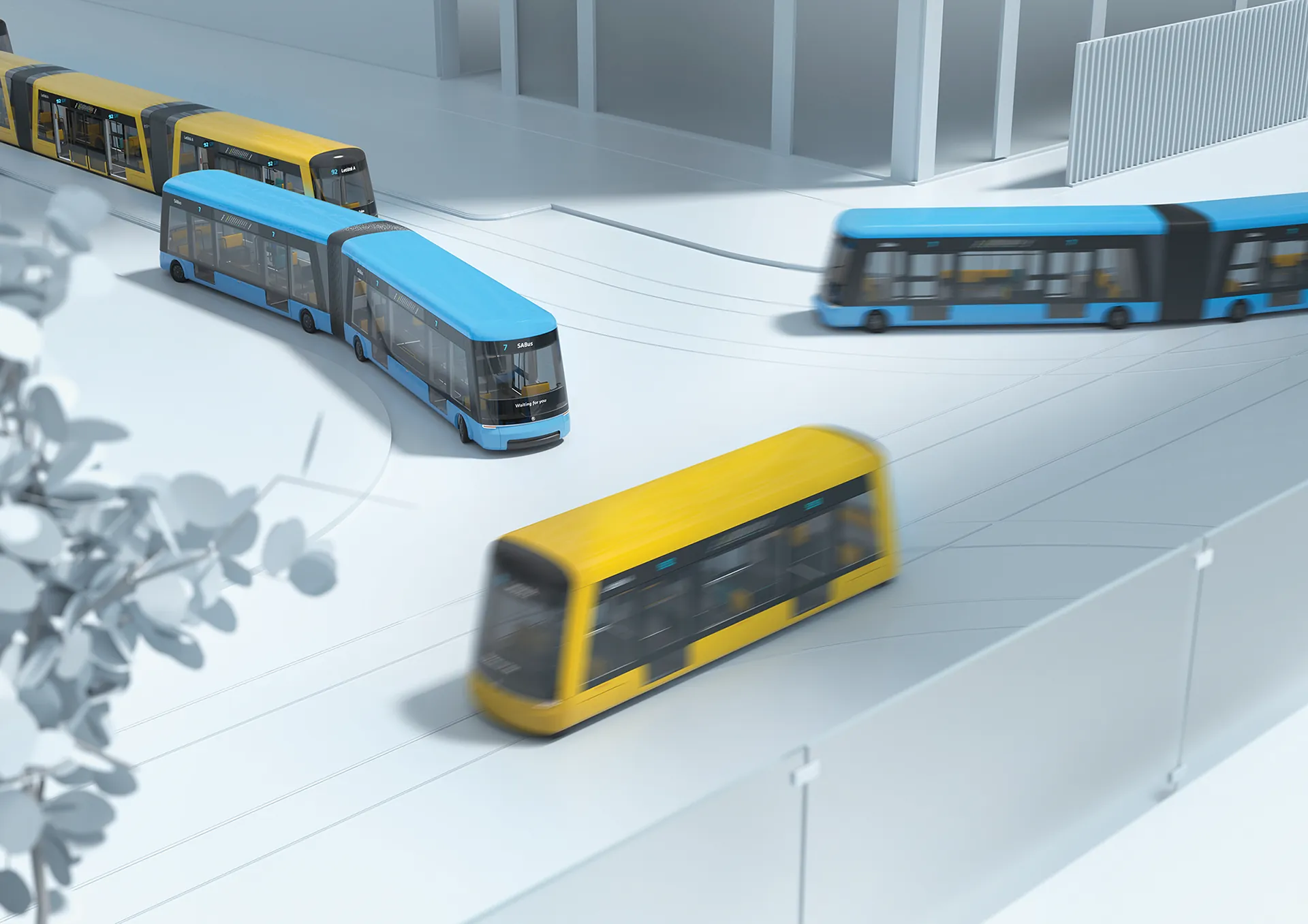
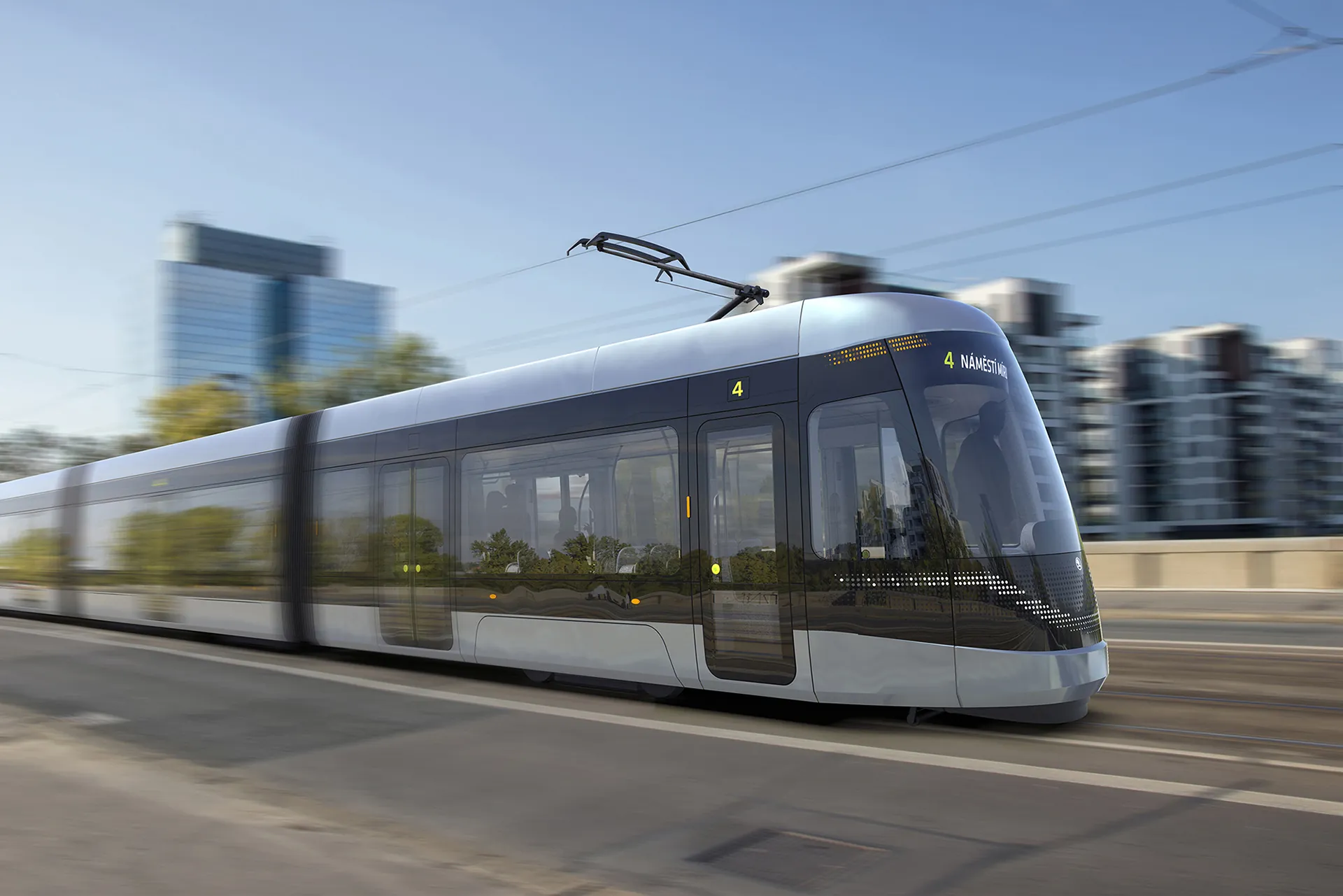
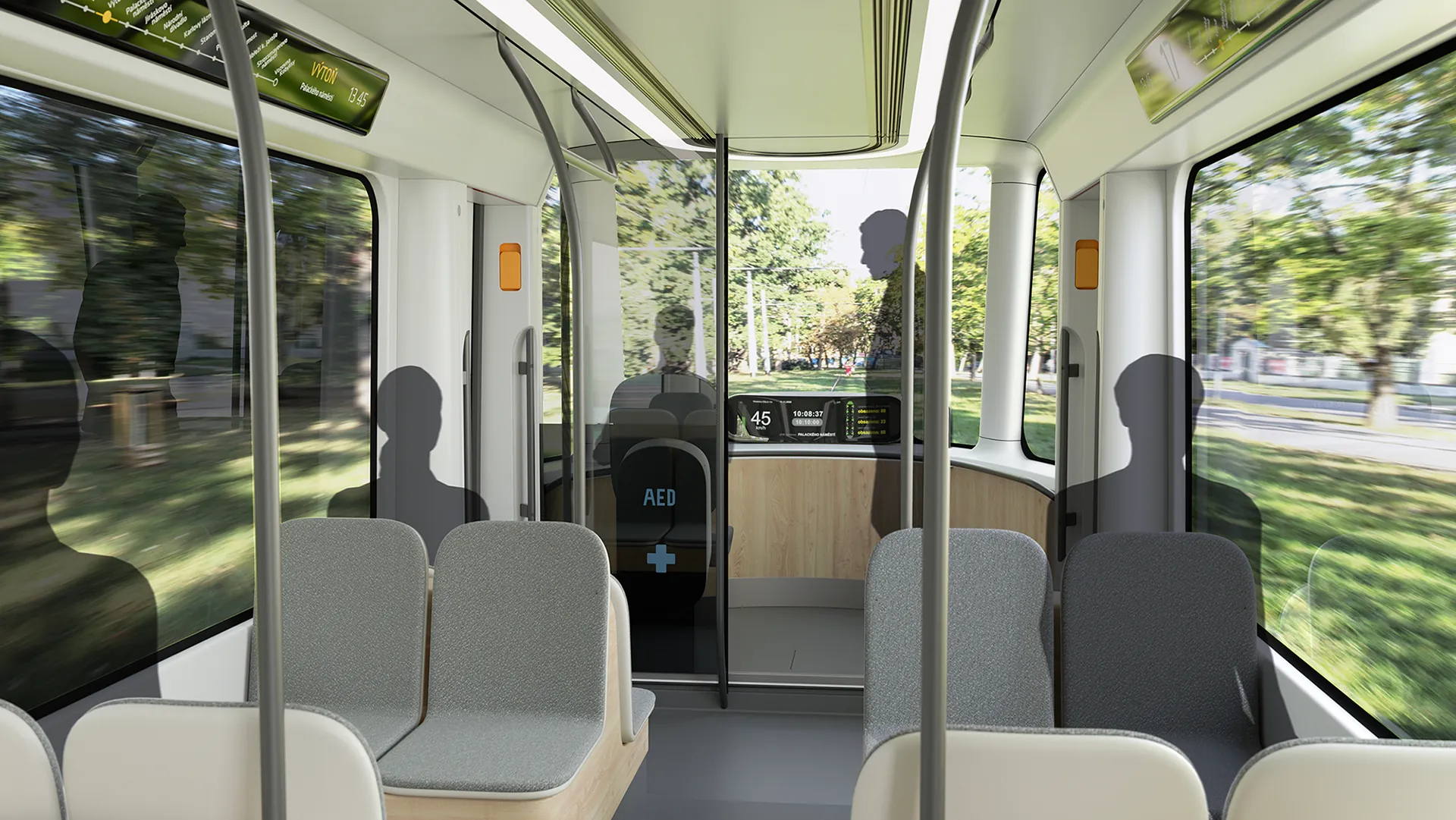
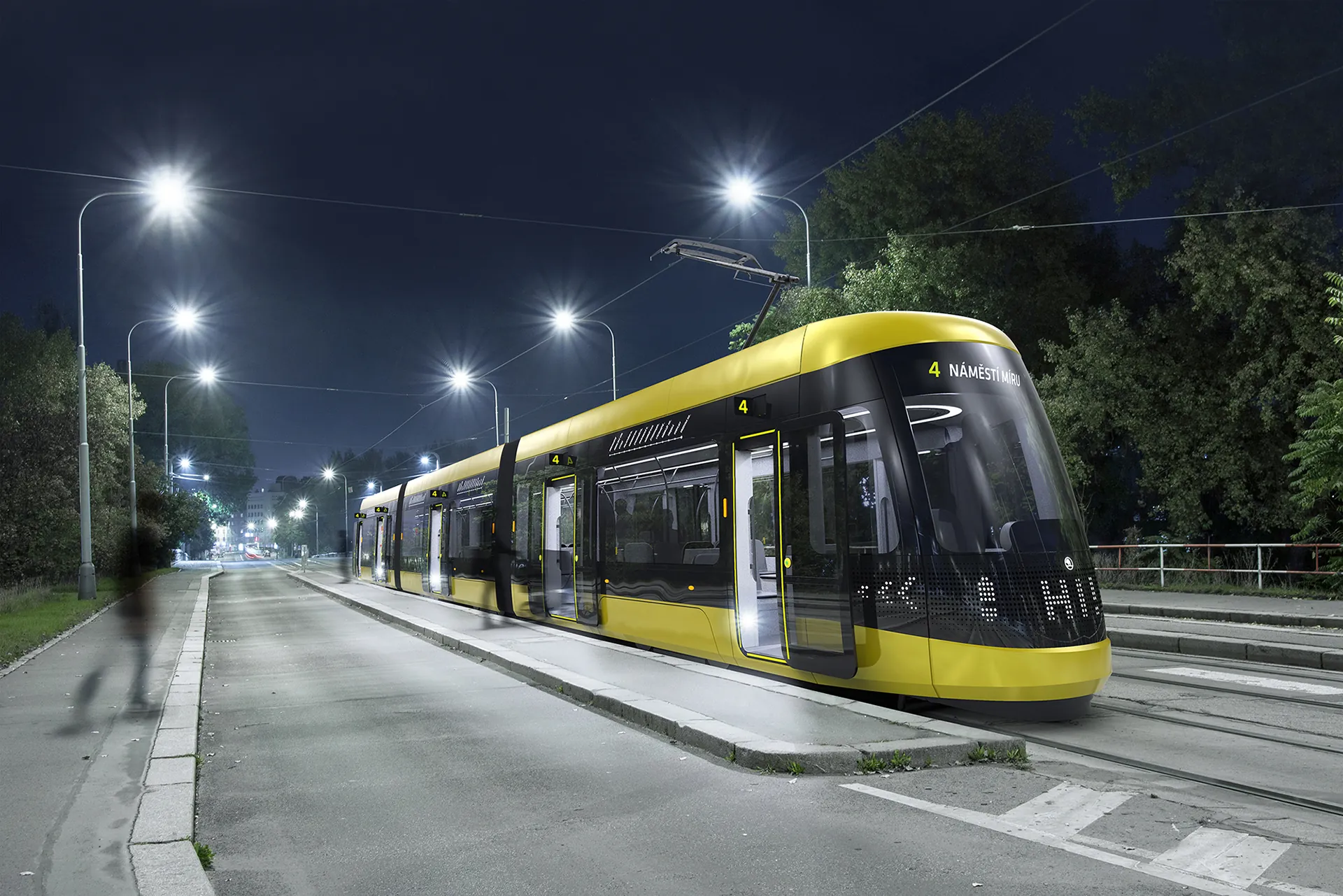
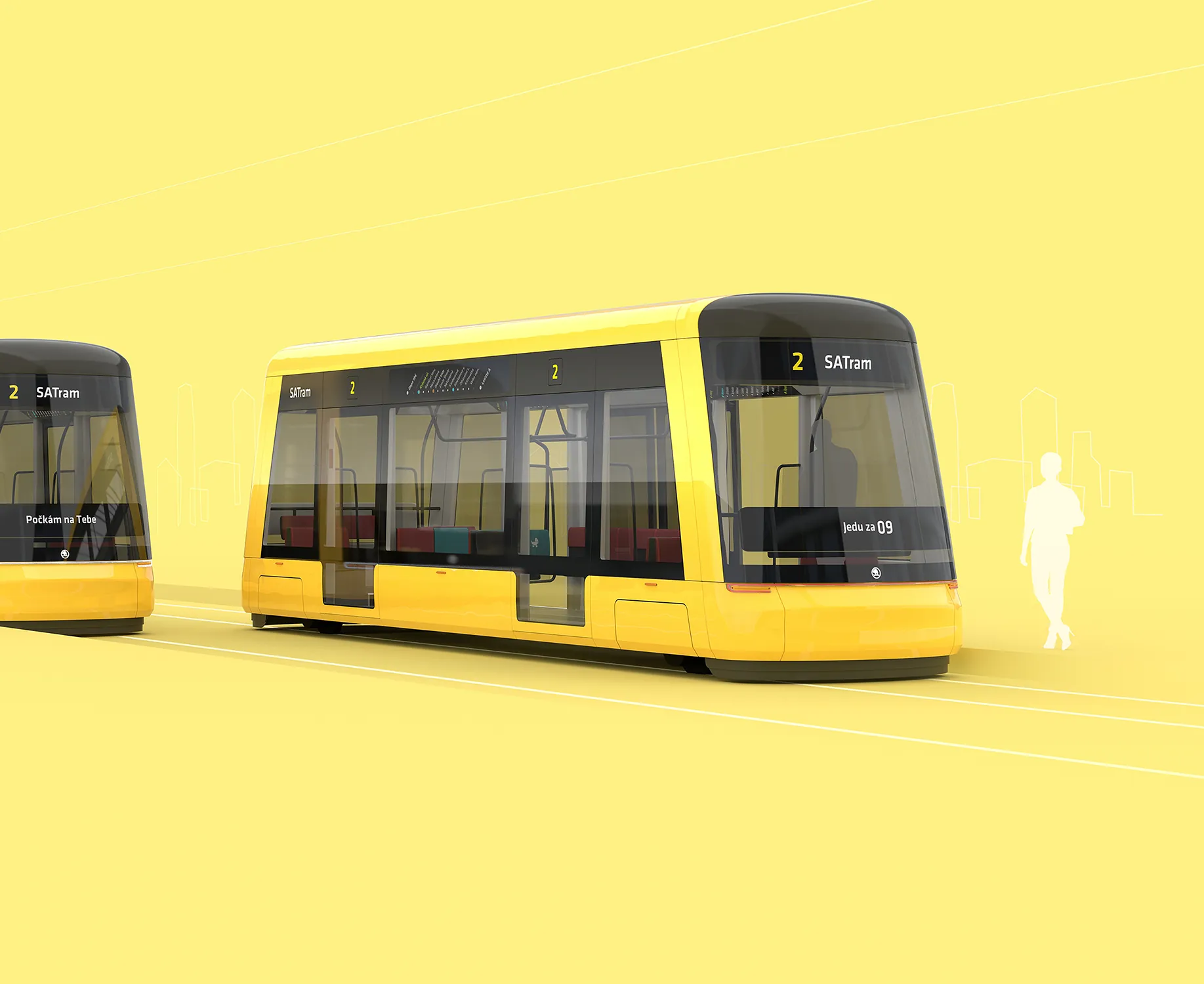
Vehicle is connected to the infrastructure of the city and can operate as efficiently as needed. The next step that comes after this is fully autonomous vehicle operating without driver or steward. My responsibility was the design of the exterior and cooperation with technical, product and development department on future vision of the semi-autonomous tram vehicle.